
15 min read
TL;DR: Roti is the healthiest everyday option at 60 calories per piece with whole wheat flour, naan is the rich tandoor-baked specialty at 260+ calories, and paratha is the layered breakfast bread at 243-360 calories depending on filling. For authentic Indian breads in Hartsdale, look for visible char marks on naan, proper puffing in roti, and distinct layers in paratha. Order from nearby restaurants within 3-5 miles to ensure breads arrive fresh within 30-45 minutes.
What Are the Main Differences Between Naan, Roti, and Paratha?
The three most popular Indian breads differ fundamentally in ingredients, cooking method, and nutritional profile. According to Michelin Guide, there are over 30 types of Indian breads, but naan, roti, and paratha represent the most commonly ordered varieties in restaurants across Hartsdale and Westchester County.
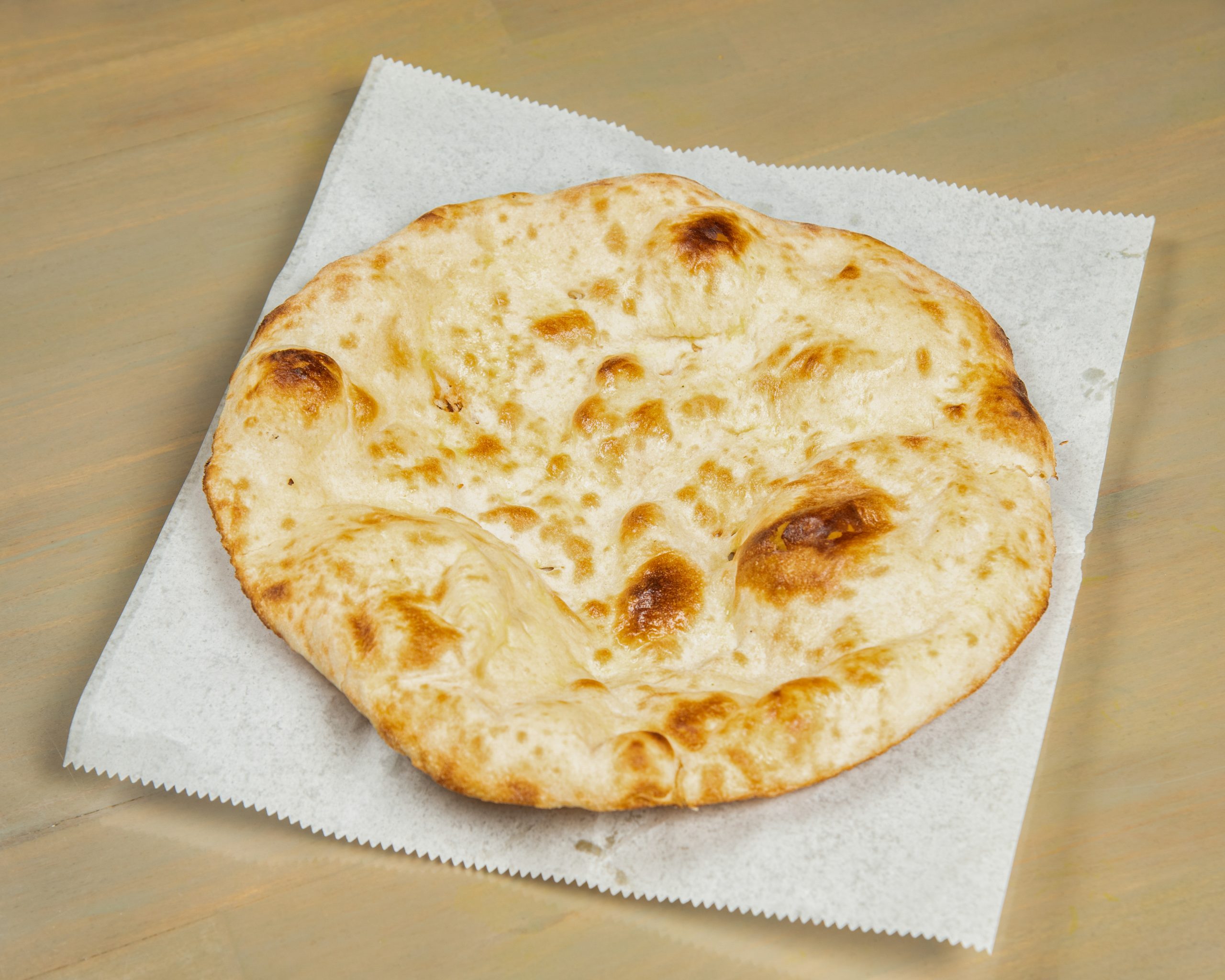
Naan uses refined wheat flour (maida) combined with yogurt and yeast, creating a leavened dough that's traditionally baked in a tandoor oven at 700-900°F. The yogurt provides tenderness and a subtle tang, while the yeast creates the characteristic bubbles and soft, pillowy texture. Roti (also called chapati) takes a simpler approach – just whole wheat flour (atta) and water, with no leavening agents. Sukhi's notes that "chapati or roti, this bread goes by many different names and is perhaps the most popular flatbread in India." Paratha sits between these two, using whole wheat flour like roti but incorporating ghee or oil through a layering technique that creates flaky, rich bread.
The cooking methods create distinct textures. Naan requires specialized tandoor equipment that most home kitchens lack, making it primarily a restaurant specialty. Roti cooks on a flat griddle called a tawa at medium-high heat without any oil. Paratha also uses a tawa but with ghee or oil applied during cooking, creating crispy, golden-brown patches.
| Bread Type | Main Flour | Leavening | Cooking Method | Texture |
|---|---|---|---|---|
| Naan | Refined (maida) | Yogurt + yeast | Tandoor (700-900°F) | Soft, pillowy, charred |
| Roti | Whole wheat (atta) | None | Tawa/griddle (400-450°F) | Tender, slightly chewy |
| Paratha | Whole wheat (atta) | None | Tawa with ghee/oil | Flaky, crispy exterior |
Key Takeaway: Naan is leavened and tandoor-baked for soft texture, roti is unleavened whole wheat cooked dry on a griddle, and paratha is layered with ghee for flaky richness – each serves different culinary purposes in Indian cuisine.
Naan: Ingredients, Cooking Method & Nutrition Facts
Naan represents the most indulgent of the three breads, with a recipe that includes refined all-purpose flour, yogurt (typically 1:4 yogurt-to-flour ratio by weight), yeast, and often milk or eggs in restaurant versions. The yogurt serves dual purposes: its acidity tenderizes the gluten structure while its fat content creates the characteristic soft crumb. Commercial yeast (approximately 1-2% of flour weight) provides the rise that creates naan's signature bubbles.
The tandoor cooking method defines naan's unique characteristics. These cylindrical clay ovens maintain temperatures between 700-900°F, with the hottest zone near the walls where the dough is slapped to cook. The intense heat creates rapid surface charring (the "leopard spotting" that indicates authentic preparation) while the interior stays moist and tender. Most home cooks cannot replicate this environment – even a pizza stone under a broiler at maximum heat (500-550°F) produces different results.
According to Dr. Manisha Sachdeva, plain naan contains significant calories compared to other Indian breads. The nutritional profile reflects the enriched dough: a medium naan (90g) provides approximately 260 calories, 48g carbohydrates, 5g protein, and 4.7g fat. The fiber content remains low at 1-2g per piece due to the refined flour base.
Variations add calories and flavor complexity. Garlic naan includes minced garlic pressed into the dough before baking, adding negligible calories but significant flavor. Butter naan receives a ghee brushing after baking, adding 35-50 calories from the fat. Some restaurants prepare Peshawari naan stuffed with dried fruits and nuts, or keema naan filled with spiced ground meat – these specialty versions can exceed 350-400 calories per piece.
Sukhi's observes that "naan is viewed more as a specialty bread or a treat, and is usually eaten when dining out rather than in the home." This reflects both the equipment requirements and the richer ingredient profile that makes naan less suitable for everyday consumption compared to roti.
Key Takeaway: Naan's 260-calorie profile comes from refined flour, yogurt, and yeast, baked in 700-900°F tandoors that create characteristic char marks and soft texture – making it a restaurant specialty rather than daily bread.
Roti (Chapati): The Everyday Whole Wheat Flatbread
Roti represents the nutritional opposite of naan – a minimalist bread using only whole wheat flour and water. The simplicity makes it the most common daily bread across Indian households. Michelin Guide notes that "the word chapat means 'slap' in Hindi," referring to the traditional technique of slapping the dough between palms to create thin, round shapes.
The whole wheat flour (atta) used for roti differs from standard American whole wheat flour – it's stone-ground to a finer consistency that produces more tender results. The typical hydration ratio sits around 1:1.25 flour to water by weight, creating a dough that's pliable but not sticky. No oil enters the dough itself, though some cooks brush finished roti with ghee for added richness and flavor.
Cooking happens on a tawa – a flat or slightly concave cast iron or carbon steel griddle heated to 400-450°F. The process involves three stages: initial cooking on one side until small bubbles form (60-90 seconds), flipping to cook the second side (another 60-90 seconds), then briefly exposing to direct flame or very high heat to encourage puffing. Properly made roti inflates into a balloon shape called phulka, indicating correct dough consistency and heat management.
The nutritional advantages make roti the healthiest option among the three breads. Dr. Manisha Sachdeva documents that "Roti / Chapati / Phulka: 60 calories per piece" for a basic 40g roti. The whole wheat flour provides 2-3g fiber per piece – nearly triple the fiber density of naan. The lower calorie count and higher fiber content create better satiety and more stable blood sugar response.
Restaurant pricing reflects the simpler preparation. While naan typically costs $3-4 in Hartsdale area restaurants, roti averages $2-3. The price difference stems from three factors: faster preparation time (2-3 minutes vs. 5-7 minutes for naan), no specialized tandoor equipment needed, and simpler ingredient costs. Many Indian restaurants include roti with lunch specials to maintain lower price points, offering naan as an upgrade for $1-2 additional.
For those watching their intake, plain roti provides the most nutritionally sound choice. However, Dr. Manisha Sachdeva also notes that "Roti / Chapati / Phulka with ghee: 147 calories per piece" – demonstrating how a simple ghee brushing more than doubles the calorie content.
Key Takeaway: Roti's 60-calorie whole wheat profile with 2-3g fiber makes it the healthiest daily bread option, cooked dry on a tawa without oil and priced $1-2 less than naan at most restaurants.
Paratha: Layered Flatbread with Stuffing Options
Paratha occupies the middle ground between roti's simplicity and naan's richness, distinguished by its layering technique that creates flaky, crispy texture. Lareeadda explains that "the word Paratha comes from the Sanskrit Parat and Atta, roughly meaning layers of cooked dough." The preparation involves rolling dough, brushing with ghee or oil (1-2 tablespoons per paratha), folding multiple times, and re-rolling to create distinct strata.
The layering process requires intermediate cooking skill. After preparing basic whole wheat dough similar to roti, the cook rolls it into a circle, applies ghee, then folds it into triangular or square shapes through multiple iterations. Each fold creates additional layers – skilled cooks achieve 4-8 visible layers in the finished bread. The technique resembles French croissant lamination but uses simpler folding rather than precise butter incorporation.
Plain paratha cooking happens on a tawa like roti, but with crucial differences. Ghee or oil (1-2 teaspoons per side) gets applied during cooking, creating golden-brown crispy patches where the fat contacts the hot surface. The interior layers remain tender while the exterior develops crunch – a textural contrast that distinguishes quality paratha from poorly executed versions.
Stuffed paratha varieties transform the bread into a complete meal. Common fillings include:
- Aloo paratha: Spiced mashed potatoes (most popular breakfast option)
- Paneer paratha: Crumbled Indian cottage cheese with herbs
- Gobi paratha: Grated cauliflower with spices
- Mooli paratha: Grated radish (winter specialty)
- Keema paratha: Spiced ground meat (less common, higher calorie)
The calorie range varies significantly based on preparation. Dr. Manisha Sachdeva documents that "Paratha Plain: 243-290 calories per piece" while "Aloo Paratha: 290-360 calories per piece." She notes that "these calories are very rough estimates because the size of roti or chapati varies a lot and the amount of oil/ghee/butter used also varies a lot."
Restaurant pricing reflects the preparation complexity and ingredient costs. Plain paratha typically costs $4-5 in Westchester County establishments, while stuffed varieties range from $5-7. Paneer-stuffed paratha commands the highest premium due to paneer's cost ($3-4 per pound) compared to potato ($1-2 per pound). The additional labor – 10-15 minutes preparation for stuffed paratha vs. 5-7 minutes for plain – also factors into pricing.
Lareeadda notes that "Paratha has a richer history that traces back to the Mughal era" and that "after the 1947 partition, Paratha culture traveled with families across both sides of the border," explaining why paratha remains popular across both Indian and Pakistani cuisines with regional variations.
Key Takeaway: Paratha's 243-360 calorie range reflects ghee layering and optional fillings, requiring intermediate cooking skill to create 4-8 visible flaky layers – priced $4-7 at restaurants based on stuffing complexity.
Which Indian Bread Is Healthiest? Nutrition Comparison
The nutritional hierarchy among these three breads becomes clear when examining their complete profiles. Roti wins decisively for health-conscious diners, offering the lowest calories, highest fiber, and best glycemic response. The whole wheat flour base provides sustained energy release compared to naan's refined flour spike.
The fiber content creates the most significant health difference. Whole wheat roti delivers 2-3g fiber per 40g piece – a fiber density nearly three times higher than naan's 1-2g per 90g piece. This fiber slows carbohydrate absorption, promotes satiety, and supports digestive health. Paratha's fiber content matches roti when made with whole wheat flour, but the added ghee increases total calories substantially.
Glycemic index considerations favor roti for blood sugar management. Whole wheat chapati registers approximately 52-55 on the glycemic index, while refined flour naan scores 65-70. Lower glycemic index foods produce smaller blood sugar spikes and more stable energy levels – particularly important for individuals managing diabetes or insulin resistance. Paratha's glycemic response varies (50-60) depending on ghee content, which slows carbohydrate absorption.
| Bread Type | Calories (per piece) | Carbs | Protein | Fat | Fiber | Glycemic Index |
|---|---|---|---|---|---|---|
| Roti (40g) | 60 | 15g | 2.3g | 0.4g | 2-3g | 52-55 |
| Naan (90g) | 260 | 48g | 5g | 4.7g | 1-2g | 65-70 |
| Plain Paratha (65g) | 243 | 29g | 4.9g | 11.4g | 3.3g | 50-60 |
| Aloo Paratha (80g) | 290-360 | 35-42g | 6-8g | 12-18g | 3-4g | 55-65 |
For weight management, the calorie differential matters significantly. A typical Indian meal might include 2-3 rotis (120-180 calories from bread) versus 1 naan (260 calories) or 1 stuffed paratha (290-360 calories). Over time, choosing roti as the daily bread while reserving naan and paratha for occasional treats creates meaningful calorie savings without sacrificing satisfaction.
Dietary restriction considerations also favor roti. Basic roti is naturally vegan when made with only flour and water – no animal products in traditional preparation. Naan typically contains yogurt and sometimes milk or eggs, requiring modifications for vegan diners. Paratha can be made vegan by substituting vegetable oil for ghee, though this changes the traditional flavor profile.
For gluten-free diners, traditional versions of all three breads pose challenges. However, Indian cuisine includes naturally gluten-free alternatives: chickpea flour (besan) rotis, sorghum (jowar) rotis, and millet (bajra) rotis exist across different regions. These alternatives predate wheat cultivation in many areas and represent authentic regional variations rather than modern adaptations.
Key Takeaway: Roti provides the healthiest profile at 60 calories with 2-3g fiber and glycemic index of 52-55, compared to naan's 260 calories and GI of 65-70 – making roti the best choice for daily consumption and blood sugar management.
Where to Order Authentic Naan, Roti & Paratha in Hartsdale NY
Finding authentic Indian breads in Hartsdale requires knowing quality indicators that separate traditional preparation from shortcuts. For naan, look for visible char marks (leopard spotting) on raised bubbles – this indicates actual tandoor cooking rather than conventional oven reheating. The bread should have irregular surface texture from hand-stretching, not uniform factory-produced appearance. Authentic naan shows slight resistance when torn, neither cracker-crisp nor uniformly soft throughout.
Quality roti demonstrates proper puffing during cooking. Even if not fully inflated into phulka shape, authentic roti shows some puffing that creates a slight hollow pocket. Completely flat roti indicates improper dough consistency or inadequate heat. The whole wheat flavor should be present but not bitter, and the texture tender rather than tough or leathery.
For paratha, the telltale sign is visible layers when torn – 4-8 distinct strata created by proper lamination technique. The exterior should show golden-brown crispy patches from ghee contact with the hot tawa, while interior layers remain tender. Uniform soft texture throughout indicates insufficient layering or missing ghee. Overly greasy paratha with oil pooling suggests excessive fat rather than proper technique.
When selecting restaurants, research from Sources of restaurant recommendations: how consumers in Germany and Switzerland shows that consumers increasingly rely on multiple recommendation sources to evaluate dining options, particularly for ethnic cuisines where authenticity matters most.
NH 44 Indian in Hartsdale brings authentic Indian breads spanning the culinary traditions from North to South India. Their menu, developed by chefs Jeevan Pullan and Roshan Balan, showcases traditional preparation methods for naan, roti, and paratha alongside modern interpretations of regional specialties. The restaurant's focus on traditional Indian spices and cooking techniques ensures breads arrive with proper texture and flavor profiles.
Pricing expectations for Hartsdale and Westchester County typically run 10-15% above national averages due to higher commercial real estate costs. Expect plain naan at $3.75-4.50, garlic naan at $4.50-5.25, roti at $2.75-3.25, and stuffed paratha at $6-8. These prices reflect both ingredient quality and skilled preparation – tandoor operation requires trained specialists, while proper paratha layering demands experience.
Delivery timing critically impacts bread quality. Naan becomes leathery after 30 minutes in closed containers due to trapped steam. Roti and paratha fare slightly better (45-60 minutes) but still deteriorate. Order from restaurants within 3-5 miles to ensure breads arrive within the optimal 30-45 minute window. Restaurants using ventilated packaging extend freshness by 10-15 minutes compared to sealed containers.
For takeout orders, request breads prepared last so they're fresh when you arrive. Many restaurants will time naan preparation to coincide with pickup if you call ahead. Reheating at home works better for roti and paratha (30-60 seconds per side on a dry tawa) than for naan, which loses its characteristic texture when reheated.
When ordering for groups, avoid over-ordering bread – a common mistake among first-time Indian food diners. For a party of four ordering 2-3 curries, order 2-3 naan total OR rice, not both in full portions. Consider variety: instead of 4 naan, try 2 naan + 1 paratha + small rice portion. This provides bread variety, prevents waste, and keeps costs lower while ensuring adequate accompaniment for curries.
Key Takeaway: Look for char marks on naan, visible puffing in roti, and distinct layers in paratha when ordering in Hartsdale – expect to pay $2.75-8 per bread and order from within 3-5 miles for optimal 30-45 minute delivery freshness.
Frequently Asked Questions
Which is healthier: naan or roti?
Direct Answer: Roti is significantly healthier, containing 60 calories per piece with 2-3g fiber from whole wheat flour, compared to naan's 260 calories with only 1-2g fiber from refined flour.
The whole wheat flour in roti provides superior nutritional value with higher fiber density, lower glycemic index (52-55 vs. 65-70), and better satiety. Roti's simple ingredient list – just flour and water – avoids the added fats and refined carbohydrates in naan's yogurt-and-yeast enriched dough. For daily consumption, roti offers better blood sugar management and weight control.
Can you make paratha without ghee or oil?
Direct Answer: Technically yes, but the result won't be authentic paratha – it will resemble thick roti without the characteristic flaky layers and crispy texture that define paratha.
The ghee or oil serves essential functions in paratha: creating separation between layers during the folding process and producing the golden-brown crispy exterior during cooking. Without fat, the layers fuse together and the bread remains soft throughout. For lower-fat versions, reduce ghee to 1 teaspoon per paratha rather than eliminating it entirely, or substitute with vegetable oil (though this changes the traditional nutty flavor).
What curry pairs best with each bread type?
Direct Answer: Naan pairs with rich, creamy curries like butter chicken and tikka masala; roti complements dry curries and dal; paratha works with lighter gravies or standalone for breakfast.
The pairing principle follows texture and richness balance. Naan's soft, pillowy texture absorbs thick gravies without falling apart, while its mild flavor doesn't compete with complex curry spices. Roti's whole wheat flavor and tender texture balance spiced vegetables and lentils in everyday meals. Paratha's richness from ghee layering makes it substantial enough to eat alone with yogurt and pickle, or paired with lighter curries like chole (chickpea curry) that provide balance rather than additional heaviness.
How long does Indian bread stay fresh after delivery?
Direct Answer: Naan deteriorates within 30 minutes in closed containers, while roti and paratha maintain acceptable quality for 45-60 minutes – all taste best consumed immediately.
The moisture loss and steam condensation in delivery containers rapidly degrades bread texture. Naan becomes tough and leathery as it cools, losing its characteristic soft interior. Roti and paratha tolerate delivery slightly better due to their drier texture profiles. For best results, order from restaurants within 3-5 miles and reheat roti/paratha on a dry tawa for 30-60 seconds per side if needed. Naan cannot be successfully reheated to original quality.
Are there gluten-free versions of naan, roti, or paratha?
Direct Answer: Traditional gluten-free rotis exist using chickpea flour (besan), sorghum (jowar), or millet (bajra), but gluten-free naan remains challenging to replicate authentically.
Indian cuisine includes naturally gluten-free flatbreads that predate wheat cultivation in many regions. Besan rotis from Gujarat, jowar rotis from Maharashtra, and bajra rotis from Rajasthan provide authentic alternatives with different textures – more brittle than wheat roti and requiring different hydration ratios. Gluten-free naan proves difficult because gluten provides the elasticity for tandoor cooking and the structure for characteristic bubbles. Commercial versions using rice flour, tapioca starch, and xanthan gum approximate the texture but cannot achieve identical results.
Why is naan more expensive than roti at restaurants?
Direct Answer: Naan costs $1-2 more due to specialized tandoor equipment ($3,000-15,000 vs. $30-80 tawa), longer preparation time (5-7 minutes vs. 2-3 minutes), and trained tandoor operators.
The price differential reflects three cost factors: equipment investment, preparation complexity, and labor specialization. Tandoor operation requires trained specialists who understand temperature management and dough handling for proper charring without burning. The enriched dough ingredients (yogurt, yeast) add minimal cost compared to the equipment and labor premiums. Roti's simpler preparation on basic griddles allows faster service and easier training, supporting lower pricing even at similar portion sizes.
Which Indian bread is best for beginners to make at home?
Direct Answer: Roti is most beginner-friendly with simple two-ingredient dough and forgiving technique, while naan requires advanced skills and equipment that most home kitchens lack.
Roti's straightforward preparation – mixing flour and water, rolling into circles, cooking on a griddle – tolerates minor technique errors without major quality loss. Paratha requires intermediate skill for the layering technique, ghee amount judgment, and temperature control to achieve proper flakiness. Naan presents the greatest challenge: the dough handling proves tricky, home ovens cannot replicate tandoor temperatures (500-550°F broiler vs. 700-900°F tandoor), and results remain inconsistent without specialized equipment. Beginners should master roti before attempting paratha, and consider leaving naan to restaurants unless investing in outdoor tandoor equipment.
How many pieces of bread should I order per person?
Direct Answer: Order 1 naan per 2 people when serving with curry and rice, or 2-3 rotis per person as the primary starch, adjusting based on appetite and meal composition.
Portion guidance reflects bread size and richness. One naan (90-100g) is designed for sharing between two diners alongside curry, rice, and sides. Roti portions are individual – most people consume 2-3 rotis (40g each) as the primary starch in a meal. Stuffed parathas function as complete breakfast items, with one aloo paratha (80-100g with filling) providing sufficient calories and satiety for one person's morning meal. For groups, order variety rather than quantity: 2 naan + 1 paratha + small rice for four people prevents waste while allowing everyone to sample different breads.
The choice between naan, roti, and paratha ultimately depends on your priorities: health and daily consumption favor roti's whole wheat simplicity, special occasions call for naan's tandoor-baked richness, and hearty breakfasts benefit from paratha's layered satisfaction. Here in Hartsdale, authentic preparation makes all the difference – look for proper char marks, visible puffing, and distinct layers when ordering from local restaurants. Whether you're exploring Indian cuisine for the first time or seeking the perfect bread pairing for your favorite curry, understanding these fundamental differences helps you make informed choices that enhance your dining experience.
For authentic Indian breads prepared with traditional techniques spanning North to South Indian culinary traditions, visit NH 44 Indian in Hartsdale, where chefs bring roadside food culture and regional specialties to Westchester County with proper tandoor-baked naan, perfectly puffed roti, and expertly layered paratha.
Ready to Get Started?
For personalized guidance, visit NH 44 Indian to learn how we can help.
How Much Does This Cost in Hartsdale?
Pricing varies based on your specific needs and local market conditions in Hartsdale. Contact a local provider for a personalized quote.