
19 min read
TL;DR: Indian takeaway offers incredible variety from mild butter chicken to fiery vindaloo, organized by protein type for easy ordering. Chicken tikka masala remains the most popular dish globally, while vegetarian options like palak paneer deliver comparable protein (12-15g per serving). Order 1 curry + 1 rice + 1-2 naan for two people, and don't hesitate to request custom spice levels – most restaurants happily adjust heat to your preference.
What Makes Indian Takeaway Dishes So Popular?
You're craving something flavorful, satisfying, and different from your usual rotation. Learn more about authentic Indian takeout food. That's exactly why Indian takeaway has become a cornerstone of dining culture across the UK, US, and beyond.
According to the Beginner's Guide to Indian Food, "Indian cuisine is a beloved part of British food culture, with Indian restaurants on every high street and takeaways a top choice for a Friday night in." This popularity extends far beyond Britain – Indian food consistently ranks among the top three choices for takeaway globally.
The cuisine combines 5,000 years of culinary evolution with incredible regional diversity – from creamy North Indian curries to coconut-rich South Indian specialties. The beauty of takeaway is customization: you can dial spice levels up or down, swap proteins, and build a meal that matches your exact preferences.
Research on UK takeaway habits shows 40% of consumers purchase takeaway at least weekly. The appeal comes down to four key factors: bold flavors that satisfy cravings, generous portions perfect for sharing, extensive vegetarian options, and the convenience of enjoying restaurant-quality food at home.
What sets Indian takeaway apart is its protein-forward structure. Most dishes center around chicken, lamb, seafood, or paneer (Indian cottage cheese), making it easy to find options that align with your dietary preferences. Rice and bread serve as vehicles for rich, complex sauces built from tomatoes, cream, yogurt, or coconut milk.
Regional diversity means you're never stuck with one-note flavors. Punjabi dishes lean creamy and mild. Goan specialties bring coastal tang with coconut and tamarind. South Indian options deliver heat and spice complexity. This variety keeps Indian takeaway interesting meal after meal.
Key Takeaway: Indian takeaway's popularity stems from customizable spice levels, protein-rich dishes (20-28g per serving), extensive vegetarian options, and regional diversity spanning mild kormas to fiery vindaloos – all delivered in shareable portions perfect for families.
Top 8 Chicken and Poultry Takeaway Dishes
Chicken dominates Indian takeaway menus for good reason: it's affordable, absorbs marinades beautifully, and pairs with virtually every sauce style. Learn more about ordering Indian food for delivery. Here's what you need to know about the most popular options.
Butter Chicken (Murgh Makhani)
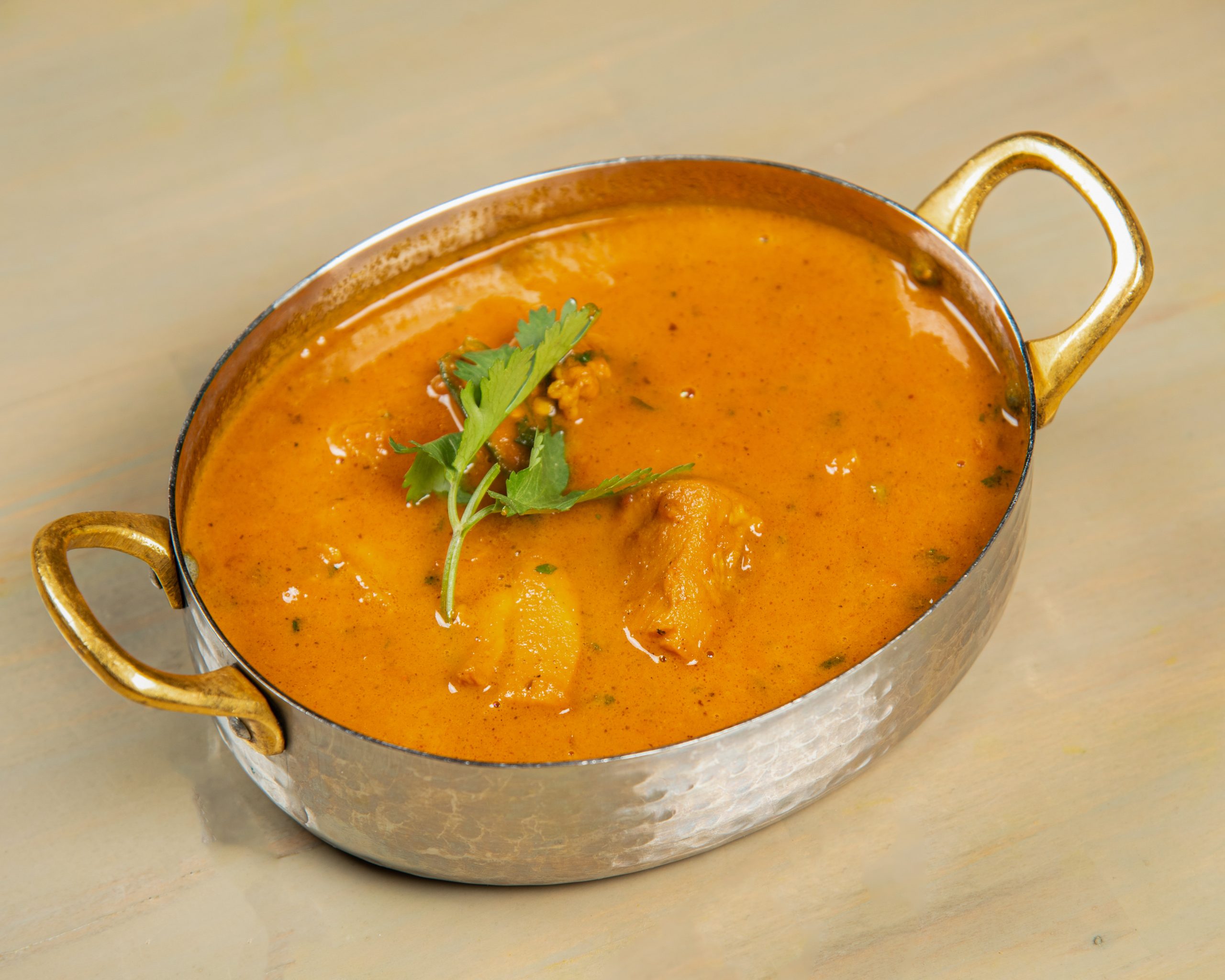
This is the gateway dish that converts skeptics into Indian food enthusiasts. Butter chicken features tender chicken in a creamy tomato sauce enriched with butter and cream. The spice level sits at a comfortable 2/5 – enough flavor to be interesting without overwhelming heat.
Protein content: 22-28g per 400g serving. The dish originated as a way to use leftover tandoori chicken, simmering it in tomato-butter sauce to create something entirely new. You'll find it on virtually every Indian menu, and for first-timers, it's the safest bet. Pair with off-dry Riesling or light lager to complement the creamy profile.
Chicken Tikka Masala
Often called Britain's national dish, chicken tikka masala is more British than Indian – it was invented in Glasgow in the 1970s when a customer requested gravy with his dry chicken tikka. The result became a phenomenon.
The sauce is similar to butter chicken but typically includes more spices and a slightly tangier profile. Spice level: 2-3/5 (mild to medium). Protein: 24-30g per serving. The chicken chunks are larger and more prominent than in butter chicken, making it heartier. The sauce is typically thicker with visible chunks of onion and bell pepper.
Tandoori Chicken
This is where you taste the tandoor's magic – a cylindrical clay oven that reaches 900°F. Chicken marinates in yogurt and spices, then cooks at extreme heat, creating a distinctive char and smoky flavor.
Spice level: 2-3/5, though the heat comes from spices rather than chilies. This is a dry preparation – no sauce – so it's perfect as an appetizer or paired with naan and raita. The yogurt marinade keeps the meat incredibly tender. The distinctive red color comes from Kashmiri chili powder, which provides vibrant color without extreme heat.
Chicken Korma
When someone says they "can't handle spicy food," point them to korma. This mild curry (1/5 spice level) uses yogurt, cream, and ground nuts to create a rich, slightly sweet sauce. It's the mildest standard curry option.
Korma works beautifully with white wine – try an off-dry Riesling or Gewürztraminer. The nutty, creamy profile complements aromatic whites without the wine amplifying any heat. Protein content is slightly lower (18-22g) due to the sauce-heavy ratio. The sauce should be pale yellow to cream-colored, never orange or red.
Chicken Vindaloo
This is the opposite end of the spectrum. Vindaloo originated in Goa as a Portuguese-influenced dish (the name comes from "vinha d'alhos" – wine and garlic). Modern restaurant versions crank up the heat to 5/5, making it a challenge dish for spice lovers.
The sauce includes vinegar, which adds tang alongside the fire from multiple chili varieties. If you order this, have raita and plain naan ready – dairy proteins help neutralize capsaicin burn. Not recommended for first-timers unless you genuinely love extreme heat. Some restaurants make it extra hot as a "challenge" dish.
Chicken Biryani
Biryani is technically a rice dish, but it's substantial enough to be a complete meal. Basmati rice layers with marinated chicken, saffron, and whole spices, then cooks together so flavors meld.
Regional variations matter: Hyderabadi biryani uses the dum pukht method (sealed pot cooking), while Kolkata versions include potato and egg. Spice level: 2-3/5. Protein: 20-25g per serving. The rice-to-chicken ratio is roughly 1:1, making it more filling than curry-and-rice combinations. This is one of the most ordered dishes according to restaurant data.
Chicken 65
This South Indian appetizer is a dry, spicy fried chicken preparation. Chicken marinates with curry leaves, chilies, and spices, then deep-fries until crispy. It's served as a starter or snack, not a main curry.
Spice level: 3-4/5 – this has real heat. The name's origin is debated (possibly invented in 1965, or using 65 chilies, or marinated for 65 days), but the Chennai origin is established. Perfect for sharing before your main course arrives. Unlike curries, this contains no gravy.
Chicken Jalfrezi
Jalfrezi is a stir-fry style curry with visible vegetable chunks – bell peppers, onions, tomatoes. The sauce is tomato-based and tangy, with a medium heat level (3/5). It's lighter than cream-based curries, making it a good choice if you want something less rich.
The dish originated as a way to use leftover meat, resulting in a vegetable-forward preparation. The vegetable components add fiber and nutrients, and the dish reheats well for next-day lunch. Protein content: 22-26g per serving.
Key Takeaway: Chicken dishes range from mild korma (1/5 heat) to extreme vindaloo (5/5), with butter chicken and tikka masala leading popularity. All provide 20-28g protein per serving, and most pair well with light lagers or off-dry white wines.
5 Popular Lamb and Goat Dishes for Takeout
Lamb and goat curries occupy the premium tier of Indian takeaway menus. The meat costs more, but the depth of flavor justifies the price difference – typically 15-25% above chicken equivalents.
Rogan Josh
This Kashmiri lamb curry gets its vibrant red color from Kashmiri chilies, which provide color and mild heat without extreme spiciness. The sauce combines yogurt and tomatoes with aromatic spices like cardamom and fennel.
Spice level: 3/5 (moderate). The lamb chunks are slow-cooked until tender, and the sauce has a velvety texture. Pair this with an amber ale or brown ale – the malty sweetness complements the lamb's richness without amplifying heat. Protein content: 24-28g per serving.
Lamb Saag (Lamb with Spinach)
Saag dishes combine meat with spinach purée, creating a nutritionally balanced curry. You get heme iron from lamb (highly bioavailable) plus non-heme iron and folate from spinach.
The spinach tempers the richness of lamb, and the dish typically includes ginger and garlic for aromatic depth. Spice level: 2-3/5. This is one of the healthier lamb options since spinach adds nutrients without cream or excessive oil. The sauce should be deep green, not brown (which indicates overcooking).
Keema (Ground Lamb Curry)
Keema uses ground lamb or goat, which cooks faster and costs less than chunk-meat curries. The ground texture means sauce clings to every bite, creating intense flavor.
Often served with peas (keema matar) or used as a filling for naan (keema naan). Spice level: 2-3/5. This is a practical choice when you want lamb flavor without the premium price – it's typically £1-2 less than rogan josh. The ground meat texture makes it particularly appealing for children who find chunk meat challenging.
Goat Curry
In India and Pakistan, goat (called "mutton" locally) is more traditional than lamb. Western restaurants use lamb due to supply chain familiarity, but some authentic spots offer goat curry.
Goat has stronger flavor and leaner meat than lamb. It requires longer cooking for tenderness, resulting in deeply flavored, fall-apart meat. Spice level varies (2-4/5 depending on regional style). If you see this on a menu, it's often a sign of a more authentic restaurant.
Lamb Madras
Madras-style curries feature coconut, mustard seeds, curry leaves, and multiple chili varieties. The heat profile is complex – not just burning, but layered spice that builds. Spice level: 4/5.
This is hotter than tikka masala but less extreme than vindaloo. The coconut adds subtle sweetness that balances the heat. The sauce should have visible oil separation – a sign of proper cooking technique. Pair with a light lager to refresh your palate between bites.
Key Takeaway: Lamb and goat dishes cost 15-25% more than chicken but deliver richer flavor and comparable protein (22-28g per serving). Rogan josh and lamb saag offer moderate heat (3/5), while keema provides lamb flavor at a lower price point.
What Are the Best Vegetarian Indian Takeaway Options?
Indian cuisine is known globally through its vegetarian meals, reflecting centuries of vegetarian culinary development. Learn more about family-friendly Indian takeout. Religious and cultural traditions have refined plant-based cooking, creating dishes that satisfy without relying on meat.
Palak Paneer
This spinach-paneer curry delivers 12-15g protein per serving from cottage cheese cubes. The spinach purée creates a vibrant green sauce enriched with cream and aromatic spices.
Spice level: 1-2/5 (mild). Paneer's mild flavor absorbs the sauce beautifully, and the texture contrast – soft cheese against smooth spinach – makes every bite interesting. This is substantial enough to be a main dish, not just a side. The paneer should be soft and fresh, not rubbery.
Chana Masala
Chickpea curry is probably the most popular vegetarian dish in India and a staple street food in northern regions. Chickpeas provide 9-11g protein per serving plus 6-8g dietary fiber.
The tomato-onion sauce includes cumin, coriander, and amchur (dried mango powder) for tang. Spice level: 2-3/5. This is naturally vegan and gluten-free, making it one of the most accommodating options for dietary restrictions. The chickpeas should be tender but not mushy, with sauce thick enough to coat each bean.
Dal Makhani
Dal Makhani combines black lentils and kidney beans, slow-cooked with butter and cream until creamy. It provides 10-12g plant-based protein per serving.
The lentils create a complete protein when paired with rice or bread. Spice level: 1-2/5 (mild). The buttery richness makes this comfort food – it's like the Indian equivalent of mac and cheese in terms of satisfaction. The dal should be creamy and dark brown, with a velvety texture from hours of simmering.
Baingan Bharta
Smoked eggplant curry has a distinctive flavor from charring whole eggplant over flame before mashing with tomato-onion-spice mixture. The smoky profile is unique among vegetarian curries.
Spice level: 2-3/5. This is lower in protein (4-6g) but high in fiber and antioxidants. It's best as a side dish alongside a protein-rich curry or dal. The texture should be chunky, not pureed smooth. This dish is naturally vegan and low in calories.
Aloo Gobi
Potato-cauliflower curry is a dry preparation (no heavy sauce) with turmeric giving it a golden color. Traditionally served as a side, though some restaurants make saucier versions as mains.
Spice level: 1-2/5. The cauliflower-potato ratio is roughly 1:1, and the dish is naturally vegan. It's lighter than cream-based curries, making it a good choice if you want something less rich. The vegetables should be tender but not mushy.
Paneer Tikka
Grilled paneer cubes marinated in yogurt-spice blend, similar to chicken tikka but cheese-based. Served as an appetizer with mint chutney.
Spice level: 2/5. This can be ordered as a starter or made into paneer tikka masala by adding creamy sauce. The grilling adds smoky depth that plain paneer dishes lack. Cubes of paneer are marinated in yogurt and spices, then grilled in a tandoor.
Navratan Korma
This dish translates to "nine gems" and includes nine different vegetables, dried fruits, nuts, and sometimes paneer. The mild, slightly sweet sauce makes it appealing to children.
Spice level: 1/5. The dish showcases the diversity of vegetarian ingredients and provides a complete nutritional profile. The korma sauce is similar to chicken korma but packed with vegetable variety.
Vegan Modifications
Many North Indian curries contain dairy (cream, yogurt, ghee). Ask restaurants to substitute coconut cream or cashew cream for vegan versions. Dal dishes are often naturally vegan, but confirm they're not finished with butter or ghee.
If you're exploring authentic regional specialties from across India, NH 44 Indian offers a menu spanning north to south India with clear descriptions of each dish's ingredients and spice levels. Their team can guide you through vegetarian options and accommodate dietary modifications for a personalized dining experience.
Key Takeaway: Vegetarian Indian dishes provide 9-15g protein per serving from paneer, lentils, and chickpeas. Palak paneer and dal makhani are naturally mild (1-2/5 heat), while chana masala offers moderate spice (2-3/5) with complete vegan compatibility.
Seafood and Fish Curries Worth Ordering
Coastal Indian regions – Goa, Kerala, Bengal – have refined seafood curries over centuries. These dishes appear less frequently on standard takeaway menus but are worth seeking out.
Fish Tikka
Firm white fish (cod, haddock, tilapia) marinates in spices and grills in the tandoor. The fish needs to be firm-fleshed so it doesn't flake during cooking.
Spice level: 2/5. The marinade is similar to chicken tikka but adjusted for delicate fish. This works as an appetizer or main dish, and the lean protein provides omega-3 fatty acids without heavy sauce. Protein content: 20-24g per serving.
Goan Fish Curry
This coconut milk-based curry includes tamarind for tang and Goan red chilies for color and mild heat. The sauce is lighter than cream-based North Indian curries.
Spice level: 2-3/5. Fish varieties include kingfish, pomfret, or mackerel. The omega-3 content combines with turmeric's curcumin for anti-inflammatory benefits. Pair with an off-dry Riesling – the wine's acidity cuts through coconut richness. Chef Online explains that this coastal specialty uses white fish in traditional preparations with coconut and Portuguese-influenced vinegar.
Shrimp/Prawn Masala
Shrimp curry typically costs 20-30% more than chicken due to shellfish pricing. The prawns cook in tomato-onion sauce with ginger, garlic, and warming spices.
Spice level: 2-3/5. King prawns (jumbo shrimp) command even higher premiums but provide better texture and presentation. The dish reheats reasonably well, though seafood is always best fresh. The preparation mirrors chicken tikka masala but uses shrimp in a spiced tomato-cream sauce.
Regional Coastal Influences
Kerala-style fish curries use coconut oil and curry leaves for distinctive flavor. Bengali fish preparations include mustard and poppy seeds. Goan curries feature coconut and Portuguese-influenced vinegar. These regional variations rarely appear on standard takeaway menus but are worth trying at specialist restaurants.
White wine pairs better with seafood curries than beer. The acidity and aromatic profile of Gewürztraminer or Sauvignon Blanc complement coconut-based sauces without overwhelming delicate fish flavors.
Key Takeaway: Seafood curries cost 20-30% more than chicken but provide omega-3 fatty acids and lighter sauce profiles. Goan fish curry (2-3/5 heat) pairs perfectly with off-dry Riesling, while fish tikka offers lean protein without heavy cream.
How to Navigate Spice Levels When Ordering?
Spice anxiety is real. Indian food orderers cite "fear of excessive spice" as a barrier. Here's how to navigate this successfully.
Understanding the Scale
Most restaurants use a 1-5 or mild-medium-hot system, but NIHR research on 250 UK Indian restaurant menus found no consistent labeling. 62% use no heat indicators at all.
Here's a general framework:
- Level 1 (Mild): Korma, butter chicken – minimal chili heat, creamy and slightly sweet
- Level 2 (Mild-Medium): Tikka masala, tandoori chicken – noticeable spice without burning
- Level 3 (Medium): Rogan josh, jalfrezi – moderate heat that builds
- Level 4 (Hot): Madras, lamb curry – significant heat, not for beginners
- Level 5 (Extra Hot): Vindaloo, phaal – extreme heat, challenge-level spicing
Dishes Naturally Mild vs. Hot
Brit.co notes that some dishes are inherently mild regardless of restaurant: korma, butter chicken, malai kofta, dal makhani. Others are traditionally hot: vindaloo, madras, some South Indian specialties.
When ordering, specify your preference: "I'd like the chicken tikka masala, but can you make it mild?" Most restaurants happily adjust. Some will ask "British mild or Indian mild?" – British mild is typically milder.
Cooling Accompaniments
Dairy proteins (casein) bind to capsaicin molecules and wash them away. Raita and lassi are traditional Indian accompaniments serving this function.
Water and beer are ineffective at neutralizing heat – they spread capsaicin around your mouth. Rice and bread absorb some heat. If a dish is too spicy, eat plain naan or rice between bites.
Regional Heat Variations
North Indian restaurant food tends milder than South Indian. Goan dishes use Goan chilies (milder than cayenne). Andhra and Chettinad cuisines from South India bring serious heat.
If you're at a South Indian specialist restaurant, expect higher baseline heat levels than at a standard North Indian takeaway.
Key Takeaway: No standardized spice scale exists across restaurants – always specify "mild," "medium," or "hot" when ordering. Use raita or lassi to neutralize capsaicin heat, and remember that korma (1/5) and vindaloo (5/5) represent opposite ends of the spectrum.
Essential Sides and Breads to Complete Your Order
Indian meals are built around sharing. You don't order one dish per person – you order multiple dishes and sides, then everyone samples everything.
Naan Varieties
Naan is leavened flatbread cooked in the tandoor. Common varieties include:
- Plain naan: No toppings, perfect for soaking up sauce
- Butter naan: Brushed with ghee (clarified butter) for richness
- Garlic naan: Topped with garlic-coriander mixture, most popular variety
- Peshwari naan: Stuffed with coconut, raisins, and almonds – sweet and savory
Other options include keema naan (spiced lamb filling), cheese naan, and chili naan. Availability varies by restaurant. One naan typically serves 1-2 people. The bread should arrive hot and slightly charred from the tandoor.
Rice Options
Basmati rice is the traditional accompaniment for North Indian curries. The long-grain, aromatic profile (aged 1-2 years) elongates when cooked rather than fattening, making it ideal for absorbing sauces.
- Plain basmati: Steamed rice, neutral base
- Pilau rice: Spiced with turmeric, cumin, and sometimes peas
- Biryani rice: Layered preparation with saffron and whole spices
One portion of rice (300g) typically serves 1-2 people depending on appetite.
Raita and Yogurt Sides
Raita is yogurt mixed with cucumber, tomato, or other vegetables, seasoned with cumin and mint. It cools the palate and provides probiotic benefits.
Plain yogurt also works. The dairy proteins neutralize capsaicin heat more effectively than water or beer. Order one raita per 2-3 people.
Papadum and Chutneys
Papadum is a lentil wafer (naturally gluten-free and vegan) that's fried or roasted until crispy. It's served as an appetizer or side with chutneys.
Common chutneys include mint-coriander (cooling), tamarind (sweet-sour), and mango (sweet). These add flavor complexity and help balance heat, creating textural variety throughout the meal.
Portion Recommendations
For 2 people: 1 curry + 1 rice + 1-2 naan + 1 side (raita or papadum) For 4 people: 2-3 curries + 2 rice + 3-4 naan + 2 sides For 6 people: 3-4 curries + 3 rice + 5-6 naan + 3 sides
Cozy Meal's analysis of UK Indian restaurant portion sizes found average curry serving is 420g, designed for sharing when ordered with rice and bread.
If you're planning a larger gathering or corporate event and want to explore authentic regional specialties from across India, NH 44 Indian offers catering options that showcase dishes from the north to south of India. Their menu spans succulent kebabs, rich curries, and street vendor foods that represent the diverse flavors along National Highway 44 – India's longest highway at 2,555 miles.
Key Takeaway: Order 1 curry + 1 rice + 1-2 naan per 2 people for balanced meals. Garlic naan is the most popular bread variety, while raita provides essential cooling for spicy dishes. Papadum and chutneys add texture and flavor complexity.
Frequently Asked Questions
What is the mildest Indian takeaway dish for beginners?
Chicken korma is the mildest standard curry (1/5 spice level) with a creamy, slightly sweet sauce made from yogurt, cream, and ground nuts.
Butter chicken runs a close second at 2/5 heat. Both dishes prioritize rich, comforting flavors over chili heat. If you're extremely spice-averse, specify "extra mild" when ordering – most restaurants will accommodate. Pair with plain naan and raita to further temper any residual heat.
How much does Indian takeout typically cost per person?
UK Indian takeaway averages £12-15 per person (curry £8-10, rice £3-4, naan £2-3), while US pricing runs $14-18 per person with regional variations.
London prices run 25-40% higher than regional UK averages. Premium lamb or seafood dishes add £2-4 over chicken equivalents. Vegetarian options typically cost £1-2 less than chicken. Ordering for groups improves value – sharing 2-3 curries among 4 people costs less per person than individual orders.
Which Indian dishes reheat best for next-day lunch?
Saucy curries (butter chicken, korma, tikka masala) retain 85-90% palatability after refrigeration and reheating, while dry tandoori items and fried foods drop to 60-70% quality.
Science Daily reports that food quality testing shows creamy tomato-based sauces maintain texture and flavor better than rice dishes. Store rice separately from curry – starch retrogradation degrades rice texture faster. Reheat with moisture (sprinkle water, cover, microwave) to restore texture. Biryani and pilau rice don't reheat as well as plain basmati.
Can I order Indian food with no spice at all?
Yes – request "no spice" or "British mild" when ordering, and most restaurants will prepare dishes with minimal to no chili heat while maintaining aromatic spices.
Most Indian food is mild by default, and spice levels can be modified. The confusion comes from conflating "spice" (chili heat) with "spices" (aromatic seasonings like cumin, coriander, cardamom). You can have flavorful food without burning heat. Ashoka Muirhead recommends korma, butter chicken, and malai kofta are naturally mild options.
What are the healthiest Indian takeaway options?
Tandoori chicken, fish tikka, chana masala, and dal dishes provide lean protein or plant-based nutrition with minimal cream and oil – typically 300-400 calories per serving versus 600-800 for cream-based curries.
WebMD recommends choosing tomato-based sauces over creamy ones to reduce fat. Opt for grilled (tandoori) preparations instead of fried. Load up on vegetable sides like aloo gobi or baingan bharta. Request less oil when ordering. One portion of curry, lamb, or dal typically serves 1.5-2 people, so splitting reduces calorie intake.
Which Indian dishes are naturally gluten-free?
Veerji explains that most curries are naturally gluten-free (no wheat-based thickeners), but naan, roti, paratha, and samosas contain gluten – choose rice dishes and papadum as gluten-free alternatives.
Traditional Indian curries use onion-tomato-cashew bases without wheat flour. However, some restaurants use roux or wheat-based thickeners – always confirm preparation methods. Cross-contamination risk exists in kitchens with shared equipment. Papadum (lentil wafer) is naturally gluten-free, as are rice dishes and most dal preparations.
How do I order Indian food for a large group or catering?
Order 1 curry per 2-3 people plus equivalent rice and bread portions, choosing a mix of mild, medium, and hot dishes to accommodate different spice tolerances.
For 10 people: 4-5 curries (2 mild, 2 medium, 1 hot), 4-5 rice portions, 8-10 naan, 3-4 sides. Include at least one vegetarian option. Biryani works well for groups since it's a complete dish. Many restaurants offer party platters or catering packages with better per-person pricing than individual orders. Order 24-48 hours ahead for large groups.
What wine or beer pairs best with Indian food?
Off-dry Riesling or Gewürztraminer pairs with most curries, while light lagers and wheat beers refresh the palate – avoid high-IBU IPAs that amplify heat perception.
Science Direct research shows aromatic whites complement spice complexity without clashing. Keep alcohol moderate (11-13%) to avoid amplifying heat. For beer, light lagers and hefeweizens provide carbonation and mild sweetness that refresh between bites. Malty beers (amber ales, brown ales) also work well. Avoid heavily oaked wines and very hoppy beers.
Call to Action: Explore the Flavors of India
Ready to experience the incredible diversity of Indian takeaway? Start with a mild classic like butter chicken or chicken korma to build your confidence, then gradually explore medium-heat options like tikka masala and rogan josh.
Don't hesitate to customize your order. Most restaurants happily adjust spice levels, swap proteins, or modify dishes to accommodate dietary restrictions. Remember to order 1 curry + 1 rice + 1-2 naan per 2 people, and always keep raita on hand to cool any unexpected heat.
Whether you're ordering for a quiet dinner at home or planning a larger celebration, Indian cuisine delivers restaurant-quality flavors with the convenience of eating in your own space. The 5,000-year culinary tradition behind these dishes means you're experiencing something genuinely special – not just convenient food, but a window into one of the world's most sophisticated cuisines.
Conclusion
Indian takeaway offers something for everyone – from spice-averse beginners to heat-seeking veterans. The key is understanding the protein-based organization (chicken, lamb, vegetarian, seafood) and spice level framework (1-5 scale) that makes menu navigation straightforward.
Start with mild classics like butter chicken or chicken korma if you're new to Indian food. Branch out to medium-heat options like rogan josh or jalfrezi as your tolerance builds. Don't hesitate to request custom spice levels – restaurants want you to enjoy your meal, not suffer through it.
Remember the sharing principle: order multiple dishes with rice and bread, then sample everything. This approach maximizes variety and value while letting everyone find their favorites. And keep raita or lassi on hand to neutralize any unexpected heat.
Whether you're ordering for a quiet dinner at home or planning a larger gathering, Indian takeaway delivers restaurant-quality flavors with the convenience of eating in your own space. The 5,000-year culinary tradition behind these dishes means you're experiencing something genuinely special – not just convenient food, but a window into one of the world's most sophisticated cuisines.