
17 min read
TL;DR: Authentic Indian food uses fresh-ground spices, traditional cooking methods like tandoor ovens, and regional diversity spanning 30+ cuisines, while Americanized versions reduce heat by 70-90%, substitute heavy cream for yogurt, and focus primarily on Punjabi dishes. Most American Indian restaurants serve North Indian cuisine due to immigration patterns from the 1960s-80s, omitting South Indian, Bengali, and Goan specialties. Look for restaurants offering 4-5 spice levels, regional dishes beyond butter chicken, and breads like paratha and puri – not just naan.
What Makes Indian Food Authentic vs Americanized?
You're reading this because you've noticed that Indian food tastes different depending on where you order it. The distinction between authentic and Americanized Indian cuisine comes down to three core elements: spice complexity, cooking techniques, and regional representation.
Authentic Indian cooking uses 8-12 whole spices ground fresh daily to preserve volatile oils and aromatics. Traditional Indian cooking demands whole spices – cumin seeds, coriander seeds, black peppercorns, cardamom pods – toasted and ground just before use. According to SheKnows, each area in India (and often each family!) has their own unique blend of spices to make up those that have become somewhat standardized in American restaurants. Americanized versions rely on pre-ground commercial spice mixes containing just 6 standardized ingredients: cumin, coriander, cardamom, black pepper, cinnamon, and cloves.
The heat level difference is dramatic. Traditional Goan vindaloo uses 15-20 Kashmiri dried chilies and 4-5 fresh bird's eye chilies per kilogram of meat, creating intense heat balanced by vinegar acidity. According to research on Indian regional cuisines, authentic vindaloo registers 50,000-100,000 Scoville Heat Units. American restaurants reduce chili quantities by 70-90% to accommodate unfamiliar palates, resulting in 2,500-8,000 SHU dishes.
Here's a quick comparison of five key differences:
| Element | Authentic | Americanized |
|---|---|---|
| Spice preparation | Fresh-ground whole spices daily | Pre-ground commercial mixes |
| Heat level | 30,000-100,000 SHU | 2,500-8,000 SHU |
| Cooking fat | Ghee ($12-15/lb) | Vegetable oil ($3-4/lb) |
| Cream base | Hung yogurt (4-6% fat) | Heavy cream (36-40% fat) |
| Preparation time | 6-8 hours (with marination) | 45 minutes |
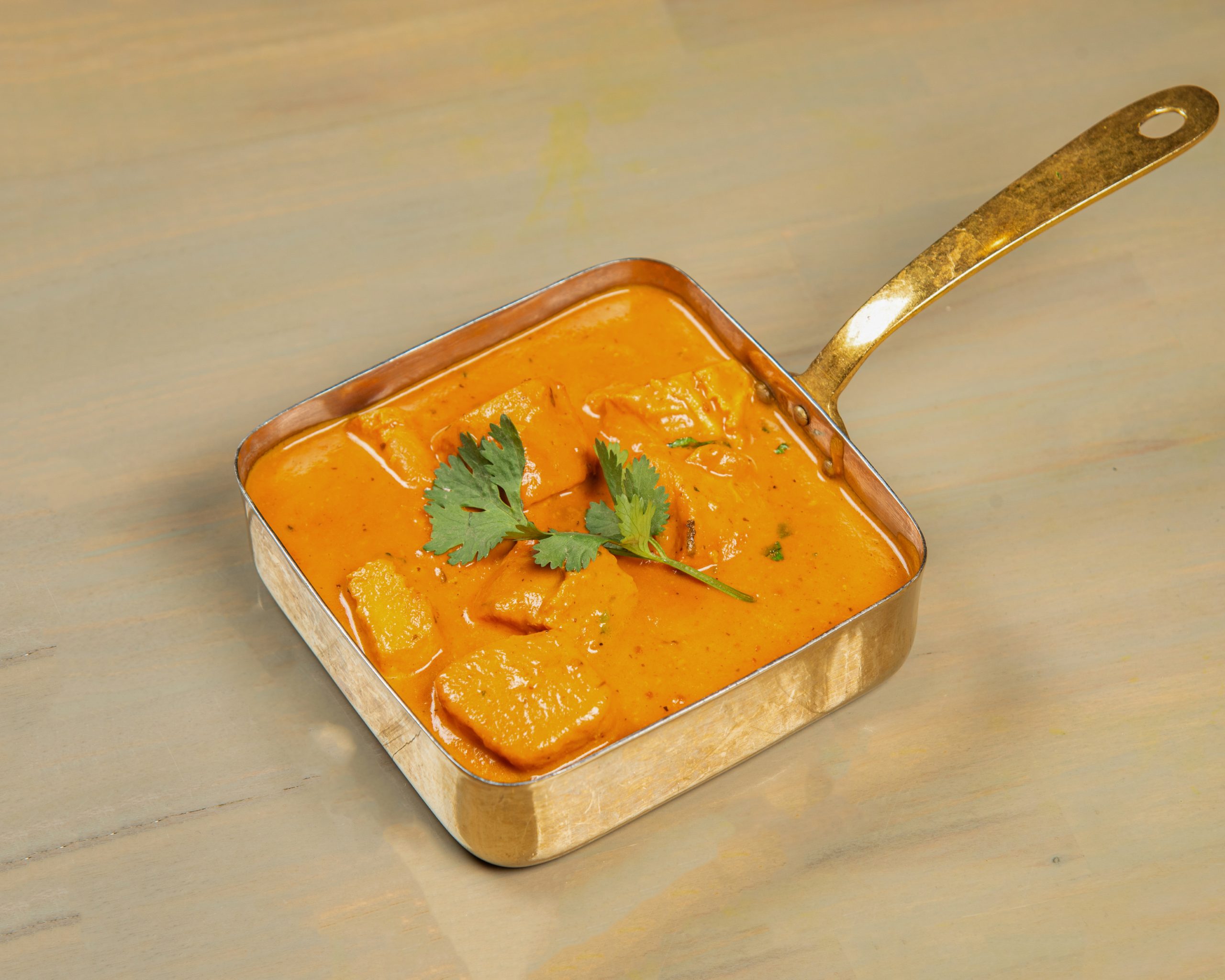
Take butter chicken as an example. Traditional murgh makhani begins with 6-8 hour yogurt-spice marination for the chicken, followed by tandoor cooking at 900°F, then sauce preparation with hand-ground spices and slow-simmered tomato-butter gravy. Fast-casual American restaurants maintain steam tables with pre-cooked protein and 3-4 base gravies, assembling "butter chicken" in under 10 minutes by combining pre-cooked tandoori chicken with butter-tomato base gravy.
Key Takeaway: Authentic Indian food requires fresh-ground spices, traditional cooking methods, and 6-8 hours preparation time versus Americanized versions using pre-ground mixes and 45-minute shortcuts with 70-90% reduced heat levels.
How Do Spice Levels Differ Between Authentic and Americanized Indian Food?
If you've ever ordered "hot" at an Indian restaurant and found it mild, you've experienced the American adaptation firsthand. NPR's investigation found that most Indian restaurants in America tone down spice significantly – what's labeled "hot" in an American Indian restaurant would be considered mild to medium in India.
The Scoville scale reveals the magnitude of this difference. Bird's eye chilies commonly used in South Indian and Goan cooking measure 50,000-100,000 SHU. Kashmiri chilies, prized for their deep red color and moderate heat, register 1,000-2,000 SHU. American restaurants often substitute milder peppers or reduce quantities dramatically.
Spice blend composition also differs fundamentally. Each region in India has its own garam masala blend – Punjabi versions emphasize black cardamom and cinnamon, Bengali blends feature fennel and nigella seeds, and South Indian masalas include curry leaves and mustard seeds. These regional blends contain 12-15 spices varying by household tradition.
Commercial American garam masala, analyzed across 15 major brands, contains only six spices: cumin, coriander, cardamom, black pepper, cinnamon, and cloves. This standardization eliminates regional variation and reduces aromatic complexity.
The freshness factor compounds these differences. Food science research shows that grinding whole spices immediately before cooking releases essential oils that dissipate within 48 hours of grinding. Pre-ground spices lose 50-70% of volatile compounds within two weeks. Authentic restaurants grind spices daily; Americanized establishments use pre-ground mixes that may sit for months.
Here in Hartsdale and throughout Westchester County, restaurants catering to the area's significant Indian-American population (2.9% of Westchester County versus 1.4% US average, according to 2020 Census data) often offer multiple spice level customizations. Look for menus listing "mild," "medium," "hot," "extra hot," and "Indian hot" or "desi style" – acknowledging that standard "hot" is adjusted for American palates.
Fresh versus pre-ground spice impact extends beyond heat to overall flavor depth. When whole spices are toasted and ground fresh, they release compounds like eugenol (cloves), cinnamaldehyde (cinnamon), and cuminaldehyde (cumin) that create layered, complex flavors. Pre-ground versions that have oxidized for weeks produce flat, one-dimensional taste.
Key Takeaway: Authentic Indian dishes use fresh-ground whole spices with 50,000-100,000 SHU heat levels and 12-15 spice blends, while Americanized versions reduce heat by 70-90% using 6-spice commercial mixes that lose 50-70% of volatile compounds within two weeks.
What Ingredients Separate Authentic from Americanized Dishes?
The ingredient substitutions in American Indian restaurants stem from three factors: availability, cost, and palate adaptation. Understanding these swaps helps you identify authenticity markers when dining in our community.
Ghee versus vegetable oil represents the most significant fat substitution. Traditional North Indian cuisine uses ghee (clarified butter with milk solids removed) as the primary cooking medium. Ghee has a high smoke point of 485°F and provides nutty flavor essential to authentic taste. At $12-15 per pound, ghee costs 3-4 times more than vegetable oil at $3-4 per pound, explaining why many restaurants substitute cheaper alternatives.
Dairy substitutions fundamentally alter dish character. Authentic North Indian curries use hung yogurt (strained to remove whey) as a creaming agent, containing 4-6% fat. American versions substitute heavy cream at 36-40% fat content, increasing fat content by 200-300% and changing texture from tangy-light to rich-heavy.
Here's a comprehensive ingredient substitution table:
| Authentic Ingredient | American Substitute | Impact |
|---|---|---|
| Ghee | Vegetable oil | Loss of nutty flavor, lower smoke point |
| Hung yogurt (4-6% fat) | Heavy cream (36-40% fat) | 200-300% higher fat, loss of tanginess |
| Fresh curry leaves | Bay leaves or dried curry leaves | Complete loss of aromatic compounds |
| Mustard oil | Canola oil | Loss of pungent flavor (FDA banned for food use) |
| Fresh tomatoes | Tomato paste | Concentrated sweetness, different acidity |
| Jaggery (palm sugar) | White/brown sugar | Loss of mineral complexity |
| Tamarind pulp | Lemon juice | Different acid profile |
| Fresh ginger-garlic paste | Jarred paste | Oxidized, less pungent |
| Whole spices ground fresh | Pre-ground spice mixes | 50-70% volatile compound loss |
| Paneer (fresh cheese) | Tofu or ricotta | Different texture and protein structure |
Fresh curry leaves deserve special attention. Chemical analysis identified 87 volatile compounds in fresh curry leaves using gas chromatography-mass spectrometry. Dried curry leaves retain less than 5% of volatile compounds after 30 days storage. American restaurants often substitute bay leaves, which are chemically and aromatically unrelated, or omit curry leaves entirely.
Mustard oil presents a regulatory challenge. This traditional cooking fat in Bengali and Eastern Indian cuisine contains erucic acid (20-40% composition), which FDA restricted for food use in 1990 based on animal cardiac studies. Mustard oil sold in the US is labeled "for external use only," forcing Bengali restaurants to substitute canola or vegetable oil, fundamentally changing flavor profiles.
Sugar addition represents a deliberate palate adaptation. Chef interviews reveal that many Indian-American restaurants add 2-4 tablespoons of sugar per curry serving to appeal to American palates accustomed to sweet-savory combinations. Traditional Indian cooking relies on natural sweetness from onions, tomatoes, and spices without added sugar.
For those exploring authentic options in Hartsdale, look for restaurants that specify ghee usage, offer fresh curry leaves in South Indian dishes, and avoid overly sweet gravies. NH 44 Indian in our area showcases traditional preparations spanning India's culinary diversity from north to south, using authentic spices and cooking methods that preserve regional flavor profiles.
Key Takeaway: Authentic Indian cooking uses ghee, hung yogurt, fresh curry leaves, and mustard oil, while American substitutes (vegetable oil, heavy cream, bay leaves) increase fat content by 200-300% and eliminate essential aromatic compounds that dissipate completely when dried.
Which Cooking Methods Define Authentic Indian Cuisine?
The cooking techniques separate authentic Indian restaurants from Americanized operations more than any other factor. Traditional methods require specialized equipment, extended time, and technical skill that many American restaurants bypass for efficiency.
Tandoor ovens represent the most visible authenticity marker. Traditional tandoors are cylindrical clay ovens heated to 480-500°C (900-930°F) using charcoal. Bread adheres to vertical walls and cooks in 60-90 seconds via direct radiant heat and reflected infrared radiation from the clay. Conventional ovens max out at 450-500°F and use convection heat, producing fundamentally different results. The clay material itself imparts subtle mineral flavors that metal cannot replicate.
Dum pukht (sealed pot cooking) exemplifies the time investment authentic cooking requires. This technique seals a heavy pot with wheat dough, trapping steam inside. Over 2-3 hours on low heat, ingredients exchange flavors without moisture loss. The word "dum" means "to breathe in" and "pukht" means "to cook." American restaurant "biryani" made in 45 minutes on a stovetop bears little resemblance to authentic dum biryani requiring 3+ hours.
Tadka (tempering) is India's most important cooking technique. Food science analysis explains that tempering involves briefly frying whole spices in hot fat at 180-200°C (350-400°F). This releases fat-soluble compounds like eugenol, cinnamaldehyde, and cuminaldehyde that remain locked in spices if added without heating. Commercial kitchens often skip this step to avoid spattering and save time, adding dry spices directly to curry bases and producing flat, one-dimensional flavor.
Clay pot cooking provides another authenticity marker. Unglazed earthenware pots are porous, allowing moisture evaporation while retaining heat evenly. Clay contains minerals that leach into food during cooking, subtly altering pH and flavor development. Metal cookware cannot replicate these effects. Traditional clay pots must be seasoned and are essential for yogurt-based dishes like dahiwala murgh.
Here's how cooking methods compare in time investment:
| Dish | Authentic Method | Time Required | Americanized Method | Time Required |
|---|---|---|---|---|
| Butter chicken | Overnight marination + tandoor + slow-simmered gravy | 6-8 hours | Pre-cooked chicken + base gravy | 10 minutes |
| Biryani | Dum pukht sealed pot | 3+ hours | Stovetop assembly | 45 minutes |
| Naan | Tandoor at 900°F | 90 seconds | Conventional oven at 450°F | 8-10 minutes |
| Dal tadka | Slow-cooked lentils + fresh tempering | 2 hours | Pressure-cooked lentils + dry spices | 30 minutes |
The temperature differential matters significantly. Tandoor cooking at 900°F creates charring and smoky flavor impossible to achieve in conventional ovens. The intense heat sears proteins instantly, sealing in moisture while creating crispy exteriors. Naan cooked in conventional ovens at 450-500°F lacks the characteristic blistering and char marks.
Grinding techniques also distinguish authentic kitchens. Traditional preparations use stone grinders (wet grinding for batters, dry grinding for spices) that generate minimal heat, preserving volatile compounds. Electric spice grinders generate friction heat that can degrade aromatics. Some authentic restaurants still use traditional grinding stones for masala pastes and dosa batters.
Key Takeaway: Authentic Indian cooking uses tandoor ovens at 900°F, dum pukht sealed pot methods requiring 2-3 hours, and fresh tadka tempering at 350-400°F to release fat-soluble compounds, while Americanized shortcuts substitute conventional ovens and skip tempering to reduce preparation from 6-8 hours to under 45 minutes.
How Do Menu Options Reveal Restaurant Authenticity in Hartsdale?
When evaluating Indian restaurants here in Hartsdale and throughout Westchester County, the menu itself provides the most reliable authenticity indicators. Understanding what to look for helps you identify restaurants serving traditional regional cuisine versus Americanized adaptations.
Regional diversity is the primary marker. India has over 30 different regionally recognized styles of cuisine within the country. Authentic restaurants showcase this diversity with sections for Bengali, Goan, Keralan, Tamil, or Gujarati specialties. Americanized menus focus on 8-12 "greatest hits" centered on chicken tikka masala, butter chicken, and saag paneer – all North Indian/Punjabi dishes.
Immigration patterns explain this concentration. The vast majority of Indian immigrants who opened restaurants in America from 1965-1985 came from Punjab, creating dominant Punjabi-Mughlai restaurant culture. This explains why tandoori chicken, naan, and butter chicken are ubiquitous while Bengali fish curries or Keralan appam are rare. According to sociological research, 95% of American Indian restaurants serve North Indian cuisine, omitting regional cuisines that represent 70% of India's culinary diversity.
Here's a 12-point authenticity checklist for evaluating menus:
Regional Representation:
- ✓ Separate sections for South Indian, Bengali, Goan, or Gujarati dishes
- ✓ Regional specialties like Kerala fish moilee, Bengali shorshe ilish, or Goan xacuti
- ✓ State-specific dishes with Indian-language names
Bread Variety:
- ✓ Multiple bread options beyond naan (paratha, puri, kulcha, roti, dosa)
- ✓ Regional breads like Malabar parotta or Gujarati thepla
Spice Customization:
- ✓ 4-5 spice level options including "Indian hot" or "desi style"
- ✓ Willingness to prepare dishes at authentic heat levels
Vegetarian Proportion:
- ✓ 60%+ vegetarian dishes (indicating South Indian/Gujarati influence)
- ✓ Extensive vegetarian appetizer and main course sections
Menu Language:
- ✓ Indian-language dish names (aloo gobi, bhindi masala) without English translations
- ✓ Assumes diner familiarity with Hindi/regional food vocabulary
Specialized Items:
- ✓ Daily specials or weekend-only dishes
- ✓ Off-menu items available on request for Indian customers
Menu language signals strategic positioning. Menus that translate every dish name into English ("cheese cubes in spinach gravy" instead of "palak paneer") often signal adaptation for customers unfamiliar with Indian cuisine. Authentic restaurants assume diner familiarity with traditional vocabulary.
Bread variety indicates regional knowledge. Naan is actually a specialty bread in India, typically reserved for special occasions or tandoor-equipped restaurants. Daily Indian bread includes roti (whole wheat flatbread), paratha (layered flatbread), puri (fried bread), and regional variations. Restaurants offering only naan signal limited regional knowledge. South Indians eat rice with most meals, not bread.
Vegetarian dish proportion reveals regional authenticity. Vegetarian dishes comprise 80-90% of traditional Gujarati and South Indian restaurant menus, reflecting regional dietary patterns. Punjabi-Mughlai restaurants typically split 50-50 between vegetarian and meat dishes. American Indian restaurant menus skew 60-70% meat-focused to match American protein-centric dining expectations.
For Hartsdale residents seeking authentic experiences, NH 44 Indian offers a menu spanning India's culinary journey from north to south along National Highway 44 – the country's longest highway at 2,555 miles. Their approach showcases regional specialties and traditional cooking methods often missing from standardized American Indian menus, with dishes representing the diverse flavors found along this historic route.
Red flags indicating Americanization include: chicken tikka masala as the featured dish (it's a British invention from the 1960s-70s that doesn't exist in traditional Indian cuisine), excessive menu descriptions explaining every ingredient, uniform pricing across all dishes regardless of preparation complexity, and lunch buffets featuring only the same 8-10 items daily.
Key Takeaway: Authentic restaurant menus display 15+ regional dishes with Indian-language names, offer 4-5 spice levels including "Indian hot," feature breads beyond naan (paratha, puri, kulcha), and maintain 60%+ vegetarian dishes versus Americanized menus with 8-12 standardized Punjabi items and English translations.
What Regional Variations Exist in Authentic Indian Cuisine?
Understanding India's regional cuisines helps you appreciate the diversity missing from most American Indian restaurants. With 1.2 billion people, 29 states, and 22 official languages, many regional cuisines exist in India – each with distinct ingredients, techniques, and flavor profiles.
North Indian cuisine centers on wheat, dairy, and clay-oven cooking. Punjab's fertile plains produce wheat for rotis and naans, while dairy from cattle provides ghee, yogurt, and paneer. The tandoor oven defines cooking technique. Mughlai influence from Persian-Central Asian traditions introduced rich gravies, nuts, and dried fruits. This is the cuisine dominating American Indian restaurants due to 1960s-80s Punjabi immigration patterns.
South Indian cuisine is rice-based with coconut, tamarind, and fermentation. In South India, heavy rainfall and the Indian ocean allow beautiful fruits and vegetables to grow in abundance. South Indian cuisines are more often vegetarian or pescatarian-based. Fermentation of rice and lentils creates breakfast staples like dosa and idli, producing natural probiotics and tangy flavor. Tamarind provides acidity instead of yogurt or cream, and coconut milk adds richness instead of dairy. South Indians use spices with more heat because it helps induce sweat and cool the body.
Bengali cuisine features five-spice blend (panch phoron) and mustard-based gravies absent from North Indian cooking. Bengali panch phoron – equal parts fenugreek, nigella, cumin, black mustard, and fennel seeds – is fried whole in mustard oil to start most dishes. This aromatic profile is completely distinct from North Indian garam masala-based cooking. Freshwater fish from the Ganges delta features prominently, with preparations like shorshe ilish (hilsa in mustard sauce).
Goan cuisine shows Portuguese influence with vinegar-based marinades and pork dishes rare elsewhere in India. Goa's 450-year Portuguese colonial history introduced vinegar (from local cashew or palm toddy), pork, and bread to Indian cuisine. Vindaloo derives from Portuguese "vinha d'alhos" (wine-garlic marinade), adapted with Kashmiri chilies. Coastal location provides abundant seafood prepared with coconut and kokum (a souring fruit).
Gujarati cuisine is predominantly vegetarian with sweet-savory flavor profiles distinct from other regions. Gujarat's Jain and Hindu vegetarian traditions created a cuisine where 90% of dishes contain no meat, eggs, or even onion/garlic. Sweet notes from jaggery or sugar balance spice in nearly every dish, creating a unique sweet-savory-spicy triad. Gujarati thali typically contains 6-8 vegetable preparations, dal, kadhi, rice, roti, and 2-3 sweets.
Here's how five major regional cuisines compare:
| Region | Staple Grain | Primary Fat | Signature Spices | Heat Level | Protein Focus |
|---|---|---|---|---|---|
| North (Punjab) | Wheat | Ghee | Garam masala, fenugreek | Medium | Dairy, chicken, lamb |
| South (Tamil Nadu, Kerala) | Rice | Coconut oil | Curry leaves, mustard seeds, tamarind | High | Vegetarian, fish |
| East (Bengal) | Rice | Mustard oil | Panch phoron, nigella | Medium-high | Fish, vegetarian |
| West Coast (Goa) | Rice | Coconut oil | Vinegar, kokum, chilies | Very high | Seafood, pork |
| West (Gujarat) | Wheat/rice | Ghee | Jaggery, asafoetida | Mild-medium | Vegetarian (90%) |
The regional underrepresentation in American menus is striking. While Punjabi-Mughlai cuisine comprises perhaps 20% of India's culinary traditions, it represents 95% of American Indian restaurant offerings. South Indian breakfast items like dosa, idli, and vada require specialized equipment (wet grinders for batter fermentation) and time-specific preparation (8am-2pm service), making them difficult for restaurants to offer authentically without regional specialization.
South Indian tiffin culture (breakfast/snack items) like masala dosa, idli-sambar, vada, and upma are time-specific preparations typically served 8am-2pm in South Indian restaurants. Restaurants offering these indicate regional specialization rather than generic Indian menu. Dosa fermentation requires overnight preparation, making it difficult for restaurants to offer authentically without specialization.
Key Takeaway: India's five major regional cuisines differ dramatically – North uses dairy/wheat/tandoor, South uses coconut/rice/fermentation, East uses mustard oil/fish, West-coastal uses seafood/vinegar, and Gujarat emphasizes vegetarian sweet-savory profiles – yet 95% of American Indian restaurants serve only North Indian Punjabi-Mughlai cuisine.
FAQ: Authentic vs Americanized Indian Food Questions
How much does authentic Indian food cost compared to Americanized in Hartsdale?
Direct Answer: Authentic regional Indian restaurants typically charge $18-24 for traditional thali (multi-dish platters) versus Americanized curry plates at $12-16 in the Hartsdale area.
The price difference reflects ingredient quality (ghee versus vegetable oil, fresh-ground versus pre-ground spices), preparation time (6-8 hours versus 45 minutes), and specialized equipment (tandoor ovens, clay pots). Authentic restaurants also tend to offer larger portions with multiple accompaniments – rice, bread, raita, pickles – included in thali presentations.
Can I request authentic spice levels at Americanized Indian restaurants?
Direct Answer: Yes, most restaurants will accommodate requests for higher heat levels, but ask specifically for "Indian hot" or "desi style" rather than just "extra hot."
Many restaurants maintain separate spice level scales for American versus Indian customers. The standard "hot" option is often calibrated for American palates at 2,500-8,000 Scoville units. Requesting "Indian hot" signals you want authentic heat levels of 30,000-100,000 SHU. Some restaurants may require you to sign a waiver for extreme spice levels, and kitchen staff may need advance notice to prepare dishes at traditional heat.
What are the healthiest authentic Indian dishes for first-timers?
Direct Answer: Tandoori proteins (chicken, fish, paneer), dal (lentil preparations), and vegetable curries like baingan bharta or bhindi masala offer nutritious entry points with moderate spice levels.
Tandoori preparations are marinated in yogurt and spices, then cooked in clay ovens without heavy gravies, keeping fat content low. Dal provides plant-based protein and fiber. Vegetable dishes showcase traditional spice blends without cream-based sauces. Avoid dishes with "makhani" (butter) or "korma" (cream-based) in the name if seeking lighter options. Pair with roti or brown rice instead of naan for whole grain benefits.
How do I identify authentic Indian restaurants in Westchester County?
Direct Answer: Look for restaurants with 15+ regional dishes, Indian-language menu names, 4-5 spice level options, and bread varieties beyond naan (paratha, puri, dosa).
Check if the menu includes regional sections (South Indian, Bengali, Goan) rather than just generic "curry" categories. Authentic restaurants often display photos of tandoor ovens or traditional cooking equipment. Read reviews from Indian customers specifically – they'll mention whether spice levels and flavors match home cooking. Restaurants with attached Indian grocery sections or weekend-only regional specialties typically maintain higher authenticity standards.
Is naan bread the same in authentic vs Americanized restaurants?
Direct Answer: No – authentic naan is cooked in tandoor ovens at 900°F for 60-90 seconds, creating charred blistering impossible to replicate in conventional ovens at 450-500°F.
Traditional naan adheres to vertical tandoor walls and cooks via radiant heat from clay, developing distinctive char marks and smoky flavor. American restaurants using conventional ovens produce softer, less charred bread with different texture. Additionally, authentic naan is one of many bread options (roti, paratha, puri, kulcha), while Americanized restaurants often offer only naan and garlic naan, ignoring regional bread diversity.
What's the difference between authentic and Americanized biryani?
Direct Answer: Authentic biryani uses dum pukht (sealed pot cooking) for 2-3 hours with layered rice and marinated meat, while Americanized versions mix pre-cooked ingredients on stovetop in 45 minutes.
Traditional biryani seals a heavy pot with wheat dough, trapping steam inside so ingredients exchange flavors without moisture loss. The rice and meat cook in layers, creating distinct textures. Americanized "biryani" often resembles fried rice with curry-flavored protein mixed in, lacking the layered structure and slow-cooked depth. Authentic biryani also uses specific rice varieties (basmati aged 1-2 years) and regional spice blends that differ between Hyderabadi, Lucknowi, and Kolkata styles.
Do authentic Indian restaurants offer milder options for children?
Direct Answer: Yes – authentic restaurants typically offer mild preparations like korma, malai dishes, and plain tandoori items suitable for children's palates.
Many traditional Indian families serve children milder versions of adult dishes, so authentic restaurants understand this need. Dishes with "malai" (cream-based), "korma" (mild yogurt-based), or plain tandoori proteins work well for kids. You can also request dishes prepared with minimal spice and add heat at the table with chili condiments. South Indian options like dosa with potato filling or idli with sambar provide familiar textures for children new to Indian cuisine.
Finding Authentic Indian Dining in Hartsdale
When you're ready to experience authentic Indian cuisine here in Hartsdale, understanding what distinguishes traditional preparations from Americanized adaptations empowers better dining choices. The markers we've discussed – fresh-ground spices, traditional cooking methods, regional diversity, and honest spice levels – help you identify restaurants committed to culinary authenticity.
NH 44 Indian brings this authenticity to Westchester County with a menu spanning India's culinary journey along National Highway 44, the country's longest highway at 2,555 miles. Their approach showcases regional specialties from north to south India, using traditional spices and cooking methods that preserve authentic flavor profiles often missing from standardized American Indian menus.
The restaurant features modern interpretations of culturally important classics alongside popular roadside food from regions along NH 44. From succulent kebabs to rich curries and street vendor specialties to exotic regional dishes, the menu uses traditional Indian spices intrinsic to each specialty's authentic flavor. The vibrant atmosphere celebrates India's street culture with funky murals inspired by Indian trucks and wall decor incorporating Indian elements – creating the first restaurant of its kind in Westchester County.
Whether you're an Indian food enthusiast seeking authentic cuisine, a professional looking for upscale takeout, or a family exploring diverse ethnic dining, understanding these authenticity markers helps you make informed choices. The difference between fresh-ground and pre-ground spices, tandoor versus conventional oven cooking, and regional diversity versus Punjabi-only menus fundamentally shapes your dining experience.
Start by exploring restaurants that offer regional specialties beyond the standard butter chicken and tikka masala. Ask about spice levels, cooking methods, and ingredient sourcing. Look for menus with Indian-language names, multiple bread options, and extensive vegetarian selections. These signals indicate kitchens committed to traditional techniques rather than shortcuts optimized for speed and American palate adaptation.
The authentic Indian dining experience in Hartsdale and Westchester County continues to evolve as our community's appreciation for regional diversity grows. By supporting restaurants that maintain traditional cooking methods and showcase India's culinary breadth, you help preserve these important food traditions while enjoying the complex, layered flavors that make Indian cuisine one of the world's most sophisticated culinary traditions.
Ready to Get Started?
For personalized guidance, visit NH 44 Indian to learn how we can help.