
21 min read
TL;DR: Indian wedding and event catering in New York typically costs $75-150 per person for full-service buffet packages, with premium options reaching $300+ per head. Based on our analysis of vendor websites, client testimonials, and industry pricing data, successful catering requires booking 6-9 months ahead for peak season, accommodating 3-5 dietary restrictions per event, and budgeting an additional 20-30% beyond base food costs for staffing, equipment, and service charges. This guide covers vendor selection, menu planning timelines, and cost breakdowns for events ranging from 50 to 500 guests across the tri-state area.
What Does Indian Event Catering in NY Include?
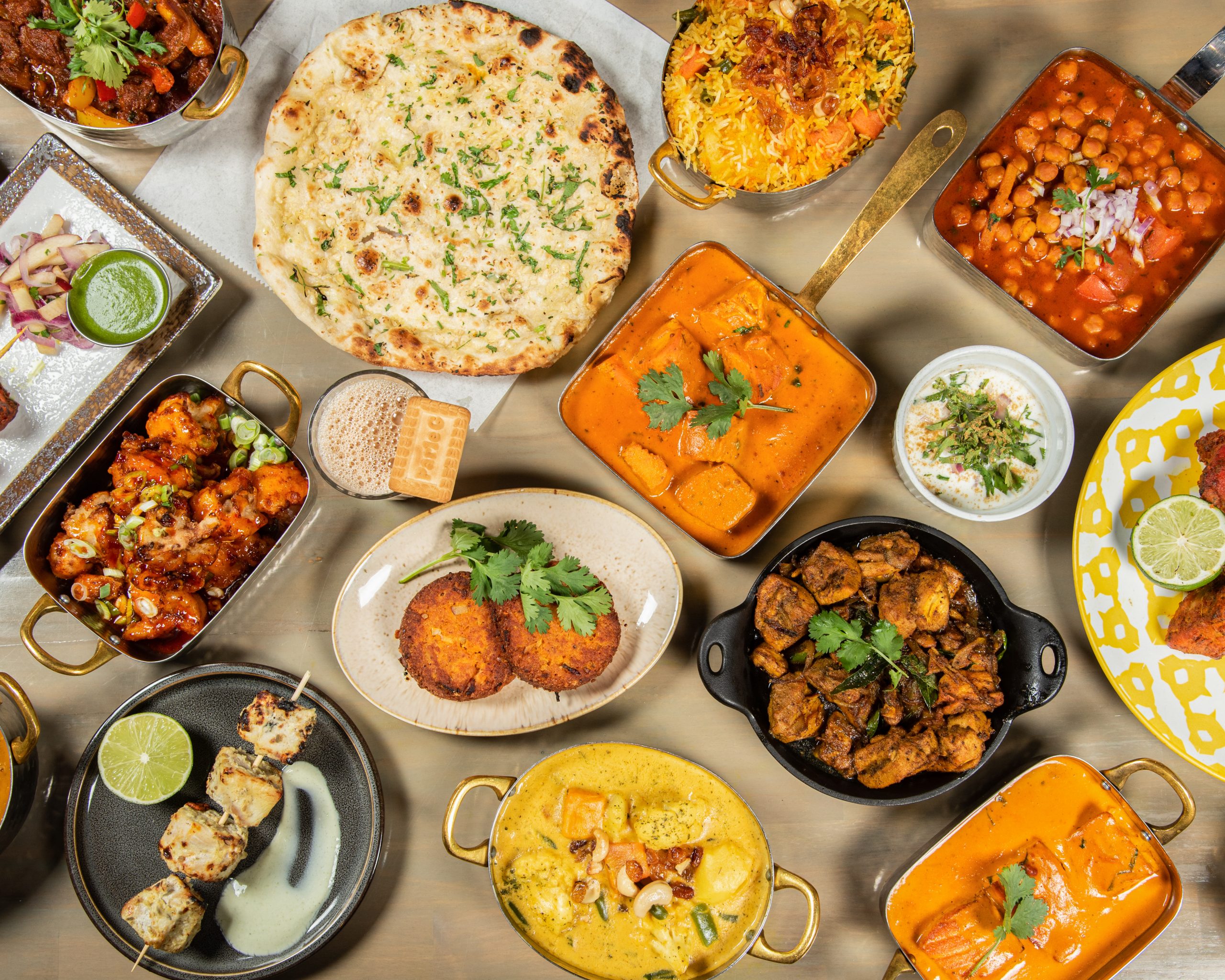
Indian event catering in New York encompasses far more than simply delivering food to your venue. You're contracting for a complete service package that includes menu customization, professional cooking staff, serving personnel, warming equipment, and often decorative buffet presentations that honor traditional aesthetics while meeting modern event standards.
Most established caterers in the tri-state area offer three distinct service tiers. Basic packages typically cover food preparation, delivery, and setup with chafing dishes and basic serving utensils – you'll handle your own serving staff and cleanup. Mid-tier packages add professional servers (usually one per 15-20 guests for buffet service), bartenders if alcohol is included, and equipment rentals like tables and linens. Premium packages provide full-service coordination including on-site chefs for live cooking stations, elaborate buffet displays with carved ice sculptures or floral arrangements, and white-glove service with plated courses.
According to Indian Wedding Catering Cost data, "Food and beverage – catering across all events – typically represents 30–40% of a total Indian wedding budget." This substantial investment reflects the complexity of Indian cuisine preparation and the cultural importance of generous hospitality at celebrations.
Guest count ranges vary significantly by caterer. Benares Caterers, with over 40 years serving the tri-state area, handles everything from intimate 50-guest gatherings to elaborate 500+ person weddings. Mahal NY specifies their private event space "can accommodate parties from 30 to 125 guests," while larger operations like Tandoor Caterers, who have "catered events in the Tri-state area for over 20 years," regularly service events exceeding 300 guests.
What's typically included versus add-on costs? Standard packages cover food, basic serving equipment, delivery within a certain radius (often 30-50 miles), and setup/breakdown. Add-ons that increase your final bill include premium proteins (lamb, seafood), live cooking stations (tandoor, dosa counter), specialty dietary accommodations requiring separate preparation, extended service hours beyond the contracted window, and rentals for venues without adequate kitchen facilities.
Key Takeaway: Full-service Indian catering packages in NY include menu customization, professional staff, and equipment, with costs varying by service tier. Budget for 30-40% of your total event budget for catering across all functions.
How Much Does Indian Wedding Catering Cost in NY?
You're looking at a wide pricing spectrum that depends primarily on guest count, service style, and menu complexity. According to industry analysis, "In most major US cities, expect to pay $75–$150 per head for a full South Asian wedding buffet with service staff. Premium caterers with live stations and high-end presentation run $150–$300+ per head."
Here's how costs break down by guest count for standard buffet service in the New York metro area:
| Guest Count | Base Cost/Person | Total Food Cost | Service & Staff | Equipment Rentals | Estimated Total |
|---|---|---|---|---|---|
| 50 guests | $85-110 | $4,250-5,500 | $800-1,200 | $300-500 | $5,350-7,200 |
| 100 guests | $75-95 | $7,500-9,500 | $1,500-2,000 | $500-800 | $9,500-12,300 |
| 200 guests | $70-85 | $14,000-17,000 | $2,500-3,500 | $800-1,200 | $17,300-21,700 |
| 500 guests | $65-80 | $32,500-40,000 | $5,000-7,000 | $1,500-2,500 | $39,000-49,500 |
These figures represent mid-range catering in the tri-state area. Manhattan venues typically run 15-20% higher than Brooklyn, Queens, or Westchester locations due to delivery logistics, parking challenges, and higher operational costs. As noted in research from the Full text of "New York Magazine", "Rising food and labor costs often force restaurateurs to alter prices on short notice," making it essential to confirm pricing stability when booking months in advance.
Service style dramatically impacts your per-person investment. Buffet service offers the most economical option because it requires fewer servers – typically one server per 15-20 guests handles replenishment and guest flow. Family-style service, where large platters are placed on each table for guests to share, requires 20-30% more food than buffet to ensure adequate portions reach every table, plus more servers to coordinate simultaneous table service. Plated service demands the highest staffing ratio (one server per 10-12 guests) and precise timing but can actually reduce food waste since portions are controlled.
Hidden fees frequently surprise couples during final invoicing. Research indicates that "Catering gratuity is typically 18–22% and may or may not be included in the quoted per-head price." Beyond gratuity, watch for setup fees ($200-500), cake-cutting charges ($2-5 per person if you bring an outside cake), overtime rates ($150-250 per hour beyond contracted service), and bar service fees (20-25% of alcohol costs if caterer provides beverages).
Let's calculate a realistic example: 200 guests × $75/person = $15,000 base food cost. Add 20% service charge ($3,000), 18% gratuity ($2,700), equipment rentals ($1,000), and bar service for 4 hours ($2,500) = $24,200 total catering investment. This represents the middle tier – premium caterers with live stations and elaborate presentations can easily double this figure.
For those planning events in Westchester County, local options like NH 44 Indian in Hartsdale demonstrate what authentic regional cuisine can bring to your celebration. Their expertise in traditional preparations and modern presentation styles reflects the quality standards you should expect from any caterer you're considering.
Key Takeaway: Budget $75-150 per person for buffet service in NY, with total costs including 20% service charges, 18-22% gratuity, and equipment rentals adding 30-40% to base food pricing. A 200-guest event typically runs $17,000-25,000 all-inclusive.
Top 8 Indian Caterers in NY (2026 Comparison)
You need specific vendor options to evaluate, not generic advice. Here's a detailed comparison of established Indian caterers serving the New York metro area, organized by location and capacity:
| Caterer | Location | Capacity Range | Specialties | Starting Price | Years Operating |
|---|---|---|---|---|---|
| Benares Caterers | NY/NJ/CT | 50-500+ | North Indian, vegetarian focus | $80-120/person | 40+ years |
| Tandoor Caterers | Tri-State | 75-400 | Live tandoor stations, fusion | $85-150/person | 20+ years |
| Moghul Catering | Edison, NJ | 100-500 | Mughlai, halal certified | $75-130/person | 40+ years |
| Minar NYC | Midtown Manhattan | 50-300 | Corporate events, traditional | $90-160/person | 40+ years |
| Bukhara Grill | Manhattan | 60-250 | North Indian, live cooking | $95-175/person | 25+ years |
| Mahal NY | Long Island | 30-125 | Intimate events, customization | $85-140/person | 15+ years |
| Kailash Parbat | Lexington Ave, NYC | 40-200 | Chaat, street food stations | $70-110/person | 30+ years |
| Indian Delight | Long Island | 20-200 | Kathi rolls, regional specialties | $65-100/person | 10+ years |
Manhattan Options: Minar NYC, established in 1983 in Midtown Manhattan, specializes in corporate events and traditional wedding menus. Client feedback notes, "Minar did an outstanding job catering for our corporate party. Our clients were highly impressed with the quality of the food and the professionalism of the service." Bukhara Grill has provided "catering services since 1999" and receives consistent praise for their live cooking demonstrations – one couple shared, "Right from the first tasting, Vicky was so great to work with. He took the time to walk us through the menu (which was delicious!) and gave us a wide variety of options from different cuisines!"
Brooklyn & Queens: While fewer dedicated Indian caterers operate storefronts in these boroughs, most Manhattan and New Jersey-based caterers service Brooklyn and Queens venues. Kailash Parbat NYC at 99 Lexington Avenue offers street food-focused menus ideal for cocktail hours and casual celebrations, with service hours Monday-Sunday 12pm-9:45pm.
New Jersey & Westchester: Benares Caterers operates across the tri-state area with "over 40 years in business" and features "a wide selection of authentic vegetarian dishes, as well as a thoughtfully curated selection of meat and seafood – each prepared with care, technique, and respect for tradition." One client noted, "Benares was incredible! True professionals who provide some of the best Indian food to be had in the tri-state area…" Moghul Catering, established in 1983, emphasizes their "four decades of offering the best Indian catering New York service" with particular expertise in halal preparations for Muslim wedding ceremonies.
Specialty Callouts: If you need South Indian specialties (dosa, idli, uttapam), specifically request this during tastings – most caterers focus on North Indian cuisine by default. Tandoor Caterers excels at live tandoor stations, with one client praising, "The Venetian table was spectacular… Your staff did a marvelous job dealing with it all… They did not seem stressed out, they were very pleasant." For fusion menus blending Indian with Italian or American cuisines, Bukhara Grill offers extensive customization: "He took the time to walk us through the menu (which was delicious!) and gave us a wide variety of options from different cuisines!"
Minimum guest requirements vary significantly. Indian Delight accommodates smaller gatherings "from an office lunch for 20 to a wedding for 200," while larger operations like Benares and Moghul typically require 75-100 guest minimums for full-service events. Always verify capacity during initial consultations – some caterers charge premium rates for events below their preferred size.
Key Takeaway: Established NYC caterers like Benares (40+ years), Moghul (40+ years), and Tandoor (20+ years) offer proven track records with minimum guest counts ranging from 30-100 depending on venue and service level. Manhattan pricing runs 15-20% higher than outer boroughs.
How to Plan Your Indian Catering Menu
You're facing a six-month timeline from initial booking to final guest count confirmation, and each phase requires specific decisions. Here's the realistic planning sequence that prevents last-minute scrambling and budget overruns.
6-9 Months Before Event: Book your caterer during this window for peak wedding season (May-October). According to industry booking patterns, popular caterers fill their calendars 6-8 months ahead for summer dates. During initial consultations, discuss your guest demographics – are you serving primarily South Asian guests familiar with regional cuisines, or will 40-50% of attendees be unfamiliar with Indian food? This ratio determines whether you need explanatory menu cards and how adventurous your spice levels can be.
3-4 Months Before: Schedule your tasting appointment. Professional caterers offer complimentary tastings for events exceeding their minimum guest count (typically 75-100 guests). You'll sample 4-6 dishes representing different menu categories: appetizers, vegetarian entrees, meat/seafood entrees, breads, and desserts. Bring your decision-makers – usually both partners, parents contributing financially, and perhaps your wedding planner. Indian Delight notes they "require 24 hours notice for catering orders," though wedding tastings need longer lead time for proper preparation.
Menu Formula for Balanced Selection: The industry standard follows a 3-2-4 ratio for buffet service: 3-4 appetizers, 2-3 main entrees, 4-5 side dishes. For 150 guests, this translates to approximately 28 serving trays across all categories. Here's a sample breakdown:
Appetizers (4 items):
- Vegetable samosas (3 trays, 225 pieces)
- Paneer tikka (2 trays, 150 pieces)
- Chicken tikka (2 trays, 150 pieces)
- Papdi chaat (2 trays, serves 150)
Entrees (3 items):
- Chicken tikka masala (4 trays)
- Lamb rogan josh (3 trays)
- Palak paneer (3 trays)
Sides (5 items):
- Basmati rice (4 trays)
- Naan bread (200 pieces)
- Dal makhani (2 trays)
- Mixed vegetable curry (2 trays)
- Raita (2 trays)
Desserts (2 items):
- Gulab jamun (150 pieces)
- Kheer (2 trays)
Regional Balance Considerations: North Indian cuisine (butter chicken, naan, tandoori preparations) dominates most American Indian catering menus because of broad familiarity. If you want South Indian representation, add dosa or idli stations, coconut-based curries, and sambhar. Indo-Chinese options (Manchurian, hakka noodles, chili chicken) appeal to younger guests and those seeking milder spice levels.
Dietary Accommodations Checklist: Modern events require managing multiple restrictions simultaneously. Create a master spreadsheet tracking:
- Vegan: Replace ghee with vegetable oil, paneer with tofu or chickpeas, dairy cream with coconut cream
- Jain: Exclude all root vegetables (onions, garlic, potatoes, carrots), use asafoetida (hing) for flavor base
- Halal: Verify meat sourcing and separate preparation equipment; Moghul Catering specializes in halal certification
- Gluten-free: Replace wheat roti/naan with rice-based breads (dosa, uttapam), verify no wheat-based thickeners in curries
- Nut allergies: Many Indian desserts contain cashews or almonds; request nut-free alternatives
Industry research shows that "Food and beverage – catering across all events – typically represents 30–40% of a total Indian wedding budget," making menu planning your highest-stakes decision. Don't sacrifice dietary inclusivity to stay within budget – guests with restrictions will remember being unable to eat at your celebration.
2 Weeks Before: Submit your final guaranteed guest count. Most contracts allow 5-10% variance, but significant changes trigger pricing adjustments or rush fees. Confirm your timeline: cocktail hour (1 hour), dinner service (1.5-2 hours), dessert/dancing (2-3 hours). This determines food holding times and whether you need additional warming equipment.
For those planning events in Hartsdale or surrounding Westchester communities, exploring local options provides convenience and often more personalized service. Restaurants like NH 44 Indian demonstrate the quality of regional Indian cuisine available in the area, offering insights into authentic preparations that larger catering operations might standardize.
Key Takeaway: Book caterers 6-9 months ahead, schedule tastings 3-4 months before, and use the 3-2-4 menu ratio (3-4 appetizers, 2-3 entrees, 4-5 sides) for balanced buffets. Budget separate preparations for vegan, Jain, halal, and gluten-free guests – expect 70%+ of events to require multiple accommodations.
What Questions Should You Ask Indian Caterers?
You need a systematic vetting process that reveals operational competence, not just impressive sample menus. Here are the ten essential questions that separate professional caterers from operations that will create stress on your event day:
1. "Can you show me your current NYC Health Department permit and liability insurance certificate?" Professional caterers maintain $1-2 million general liability coverage and current health permits. NYC Department of Health regulations require valid permits for all off-site catering. If they hesitate or promise to "send it later," that's a red flag.
2. "What's your staff-to-guest ratio for our service style?" For buffet service, expect one server per 15-20 guests. Plated service requires one server per 10-12 guests. Tandoor Caterers emphasizes their "experienced crew" in client testimonials – verify exact numbers in your contract, not vague promises of "adequate staffing."
3. "How do you handle dietary restrictions requiring separate preparation?" This question reveals their cross-contamination protocols. Jain, halal, and severe allergy accommodations require dedicated cookware and utensils. Moghul Catering specifically highlights halal certification, indicating proper separation protocols.
4. "What's included in your per-person price versus add-on costs?" Get itemized breakdowns. Does the quote include service staff, equipment rentals, setup/breakdown, gratuity? Industry analysis notes that "Catering gratuity is typically 18–22% and may or may not be included in the quoted per-head price." Clarify this immediately.
5. "What happens if our final guest count changes by more than 10%?" Standard contracts allow 5-10% variance. Understand the financial implications of larger changes – will you forfeit deposits, pay rush fees, or face minimum guest charges?
6. "How many hours of service does our package include, and what's your overtime rate?" Most packages cover 4-5 hours. Overtime typically costs $150-250 per hour in the NYC market. If your reception runs long, this adds up quickly.
7. "What equipment do you provide versus what we need to rent separately?" Basic packages include chafing dishes and serving utensils. Premium packages might include tables, linens, and decorative elements. Venues without warming kitchens require additional equipment – clarify who's responsible.
8. "Can you accommodate our venue's specific restrictions?" NYC venues often prohibit open-flame cooking, restrict load-in times, or lack adequate kitchen facilities. Benares Caterers, with 40+ years of experience, has navigated countless venue challenges – newer caterers might struggle.
9. "What's your cancellation and postponement policy?" Post-pandemic, flexible policies matter. Industry standard: full refund beyond 180 days, 50% deposit retained 90-180 days out, 100% retained within 90 days. Verify force majeure clauses for emergencies.
10. "Can you provide three recent references from events similar to ours in size and venue type?" Contact these references. Ask about punctuality, food quality consistency, staff professionalism, and how they handled unexpected issues.
Red Flags to Avoid:
- No tasting offered: Reputable caterers provide complimentary tastings for full-service bookings above minimum guest counts
- Unclear pricing: Quotes that change between initial discussion and written contract indicate poor business practices. According to Sixty Trends In Sixty Minutes, "The merchants didn't like transparent prices, but they liked what came from transparent pricing even worse: price wars, discounting, and cyclical promotions" – seek caterers who provide clear, stable pricing structures
- No liability insurance: This exposes you to legal liability if staff or guests are injured
- Pressure tactics: "Book today for this price" or "Only one date left" suggests desperation, not demand
- Generic photos: Stock images instead of actual event photos indicate limited experience
- No written contract: Verbal agreements are unenforceable; everything must be documented
Tasting Appointment Expectations: Professional tastings last 45-90 minutes. You'll sample 4-6 dishes representing different menu categories, discuss customization options, and review service logistics. Bukhara Grill clients note, "Right from the first tasting, Vicky was so great to work with. He took the time to walk us through the menu (which was delicious!) and gave us a wide variety of options." This level of attention during tastings predicts service quality on your event day.
Contract Must-Haves: Your written agreement should specify exact menu items (not generic categories like "assorted appetizers"), guaranteed staff count, service start/end times, equipment provided, payment schedule, cancellation terms, and change-order procedures. Vague language creates disputes – insist on specificity.
Key Takeaway: Verify health permits, liability insurance ($1-2M coverage), and staffing ratios (1:15-20 for buffet) before signing contracts. Red flags include no tasting offered, unclear pricing, and pressure tactics. Get three recent references from similar-sized events.
Catering Logistics for NY Wedding Venues
You're coordinating multiple vendors, venue restrictions, and tight timelines – logistics planning prevents day-of disasters. Here's what actually matters for smooth execution in New York metro venues.
Venue Kitchen Requirements: Venues fall into three categories that dramatically impact catering logistics. Full-prep kitchens allow on-site cooking with commercial ranges, ovens, and adequate ventilation – these are rare outside dedicated catering halls. Warming kitchens provide heating equipment for food prepared off-site but lack full cooking capabilities – most hotels and banquet facilities offer this. No-kitchen venues require caterers to bring all equipment including generators, warming units, and sometimes temporary handwashing stations.
Tandoor Caterers has "catered events in the Tri-State Area for over twenty years," giving them expertise navigating diverse venue limitations. When evaluating venues, ask your caterer: "Have you worked at this location before, and what challenges should we anticipate?"
Setup Timeline: Allow 3-4 hours before service for events over 100 guests. This includes equipment delivery, food staging, buffet assembly, and staff briefing. Outdoor events or venues with difficult load-in access require 5-6 hours. One Tandoor Caterers client praised, "Your staff did a marvelous job dealing with it all… They did not seem stressed out, they were very pleasant. They did everything the way I didn't even know I wanted done."
NYC Venue Restrictions: Manhattan venues present unique challenges. Fire codes often prohibit open-flame cooking indoors, limiting authentic tandoor presentations. Parking and loading zone access requires coordination – some buildings restrict delivery to specific hours or require freight elevator scheduling. Benares Caterers, operating across "NY, NJ & Connecticut," has navigated these restrictions for 40+ years, but newer caterers might struggle with urban logistics.
Verify these venue-specific details:
- Load-in access times and restrictions
- Parking availability for catering trucks
- Elevator capacity and scheduling
- Kitchen equipment available on-site
- Power supply capacity for warming equipment
- Open flame restrictions
- Noise ordinances affecting service hours
Outdoor Event Considerations: Tents, generators, and temperature control add significant complexity and cost. Generator rentals run $400-1,200 depending on power requirements – you need adequate capacity for warming equipment, lighting, and potentially air conditioning. Climate control for tent events costs $600-2,500 depending on season and tent size. Summer heat requires careful food safety protocols; winter events need reliable heating for guest comfort and food temperature maintenance.
Indian Delight notes their "professional catering team is available Wednesday through Monday from 10:30am – 3pm to 4pm – 3am," indicating flexibility for various event timelines. Confirm your caterer's willingness to work outdoor events – some decline due to equipment and liability concerns.
Staff-to-Guest Ratios: Proper staffing prevents service bottlenecks. For buffet service, maintain one server per 15-20 guests to handle replenishment, guest questions, and table clearing. Plated service requires one server per 10-12 guests for synchronized course delivery. Add one bartender per 50-75 guests if serving alcohol. Minar NYC clients note, "Our clients were highly impressed with the quality of the food and the professionalism of the service," reflecting adequate staffing levels.
Coordination with Other Vendors: Your caterer shares space with DJs, photographers, florists, and rental companies. Create a master timeline specifying when each vendor accesses the venue. Caterers typically need earliest access for setup, followed by decorators, then technical vendors. Communicate your caterer's contact information to your venue coordinator and other vendors – someone needs authority to make real-time decisions if conflicts arise.
Temperature Control and Food Safety: New York summers reach 90°F+; winters drop below freezing. Outdoor events require backup plans for extreme weather. Food must maintain safe temperatures: hot foods above 140°F, cold foods below 40°F. Verify your caterer's food safety protocols, especially for outdoor events where temperature control is challenging.
Key Takeaway: Budget 3-4 hours for catering setup (5-6 hours for outdoor/difficult venues), verify venue kitchen capabilities (full-prep vs warming-only), and confirm NYC restrictions on open flames and load-in times. Outdoor events require generators ($400-1,200) and climate control ($600-2,500).
Recommended Local Indian Catering in Hartsdale
When you're planning an event in Westchester County, working with locally-based caterers offers distinct advantages: familiarity with area venues, reduced delivery logistics, and often more personalized service than large-scale operations managing dozens of simultaneous events across the tri-state area.
For those specifically seeking authentic Indian cuisine in the Hartsdale area, NH 44 Indian represents the caliber of regional expertise worth considering. Here's what makes locally-focused options valuable:
- Venue Familiarity: Local caterers have established relationships with Westchester venues, understanding specific kitchen capabilities, loading dock access, and venue coordinator preferences that streamline your planning process.
- Reduced Delivery Complexity: Shorter travel distances mean fresher food arrival, lower delivery fees, and more flexible timing if last-minute adjustments are needed.
- Community Reputation: Local businesses depend on word-of-mouth within their immediate community, creating strong incentives for exceptional service and quality consistency.
- Authentic Regional Preparations: Restaurants that serve daily customers maintain ingredient freshness and cooking techniques that purely event-focused caterers sometimes compromise for large-scale production.
- Accessible Tastings: When your caterer operates a local restaurant, you can visit multiple times to sample different dishes beyond the formal tasting appointment, giving you confidence in menu selections.
Whether you're planning a 50-guest corporate event or a 200-person wedding reception, exploring what NH 44 Indian and similar local establishments offer provides a valuable comparison point against larger catering operations. Their approach to traditional Indian cuisine, adapted for modern event service, demonstrates the quality standards you should expect from any caterer you ultimately select.
The Hartsdale and broader Westchester market offers numerous options – the key is finding a caterer whose operational capacity matches your event size, whose culinary style aligns with your vision, and whose service reputation withstands scrutiny through references and reviews.
FAQ: Indian Catering Questions
How much does Indian catering cost for 150 wedding guests in NY?
Direct Answer: Expect to pay $11,250-$14,250 for base food costs ($75-95 per person), plus $2,250-$2,850 in service charges (20%), $2,025-$2,565 in gratuity (18%), and $800-1,200 for equipment rentals, totaling approximately $16,325-$20,865 for full-service buffet catering.
This calculation assumes mid-tier buffet service in the New York metro area. Manhattan venues run 15-20% higher due to delivery logistics and operational costs. Premium caterers with live cooking stations and elaborate presentations can reach $150-300+ per person, potentially doubling your total investment. Industry data confirms that "In most major US cities, expect to pay $75–$150 per head for a full South Asian wedding buffet with service staff."
Do NY Indian caterers accommodate Jain and vegan diets?
Direct Answer: Yes, established caterers accommodate both Jain and vegan requirements, though Jain preparations require separate cookware to prevent cross-contamination with onions, garlic, and root vegetables.
Jain dietary principles exclude all root vegetables (potatoes, onions, garlic, carrots) along with meat, fish, and eggs. This requires alternative flavor building using ginger, asafoetida (hing), and spices instead of the onion-garlic base common in North Indian cooking. Vegan adaptations replace ghee with vegetable oil, paneer with tofu or chickpea-based alternatives, and dairy cream with coconut cream. Most curries, dals, and vegetable dishes adapt easily, though desserts present more challenges since many traditional sweets use milk and ghee. When interviewing caterers, specifically ask about their cross-contamination protocols – dedicated equipment prevents mixing restricted ingredients with compliant dishes.
How far in advance should I book an Indian caterer?
Direct Answer: Book 6-9 months ahead for peak wedding season (May-October) and 3-4 months for off-season events (November-April).
Popular caterers fill their calendars quickly during summer months. Benares Caterers, with over 40 years serving the tri-state area, and Tandoor Caterers, operating for 20+ years, book their premium dates 6-8 months in advance. Off-season provides more flexibility, but don't wait until 8-10 weeks before your event – quality caterers maintain busy schedules year-round. Schedule your tasting appointment 3-4 months before the event to allow time for menu adjustments and dietary accommodation planning.
What's the difference between buffet and family-style Indian catering?
Direct Answer: Buffet service features centralized food stations where guests serve themselves, while family-style places large platters on each table for guests to pass and share, requiring 20-30% more food but creating a more intimate dining experience.
Buffet service costs less because it requires fewer servers (one per 15-20 guests handles replenishment) and allows better portion control – guests take what they want, reducing waste. Family-style presentations require larger portion allocations to ensure adequate servings reach every table, typically 125-130% of buffet quantities. The service style also demands more servers to coordinate simultaneous table service and manage platter replenishment. Family-style works best for events under 120 guests where timing coordination remains manageable. For larger events, buffet service provides better flow and cost efficiency. Some couples compromise with a combination: family-style for the main meal and buffet-style dessert stations.
Can Indian caterers provide halal meat options?
Direct Answer: Yes, many NYC Indian caterers offer halal-certified meat, though this requires advance notice and often involves separate preparation equipment to maintain religious compliance.
Moghul Catering, established in 1983, specifically emphasizes halal certification in their service offerings. Halal requirements mandate specific slaughter methods, prohibition of pork and alcohol in preparation, and dedicated cooking equipment to prevent cross-contact with non-compliant ingredients. When requesting halal options, verify the caterer's certification source and ask about their separation protocols – some operations maintain entirely separate kitchens for halal preparation, while others use color-coded equipment. This same level of separation applies to kosher and Jain requirements, making it essential to discuss during initial consultations.
Do caterers bring serving staff and equipment?
Direct Answer: Mid-tier and premium packages include professional serving staff and equipment, while basic packages typically cover only food, delivery, and setup with chafing dishes – you provide your own servers.
Service tiers vary significantly by caterer. Basic packages deliver food in disposable containers with basic warming equipment – you handle serving and cleanup. Mid-tier packages add professional servers (typically one per 15-20 guests for buffet service), bartenders if alcohol is included, and equipment rentals like tables and linens. Premium packages provide full-service coordination including on-site chefs for live cooking stations, elaborate buffet displays, and white-glove service. Tandoor Caterers clients praise their "experienced crew" who "did not seem stressed out, they were very pleasant," reflecting the value of professional staffing. Clarify exactly what's included in your quoted per-person price versus add-on costs.
What happens if guest count changes after contract signing?
Direct Answer: Standard contracts allow 5-10% variance from your guaranteed count, but larger changes trigger pricing adjustments, potential rush fees, or minimum guest charges depending on timing and direction of change.
Industry data shows that "Client guest count fluctuations between initial estimate and final count average 12-18%, with 70% being decreases as couples trim guest lists." Most caterers require final guaranteed counts 14 days before your event. Increases within the allowable variance are usually accommodated without penalty. Decreases below contracted minimums may result in partial deposit forfeiture since the caterer has already purchased ingredients and scheduled staff. Significant changes (15%+) within two weeks of your event often incur rush fees ($200-500) for last-minute adjustments. Build a 10% buffer into your initial estimate to avoid financial penalties as RSVPs arrive.
How long does Indian wedding catering setup take?
Direct Answer: Allow 3-4 hours for events over 100 guests, with outdoor events or venues lacking adequate kitchen facilities requiring 5-6 hours for equipment delivery, food staging, buffet assembly, and staff briefing.
Setup time depends on venue capabilities and event complexity. Venues with warming kitchens allow faster setup since caterers only need to arrange pre-cooked food and assemble buffet displays. Venues without kitchen facilities require caterers to bring all equipment including generators, warming units, and sometimes temporary handwashing stations, extending setup time significantly. Tandoor Caterers emphasizes their staff's ability to handle complex logistics: "Your staff did a marvelous job dealing with it all… They did not seem stressed out, they were very pleasant." Coordinate with your venue about load-in access times – some Manhattan buildings restrict delivery to specific hours or require freight elevator scheduling, potentially adding 1-2 hours to the timeline.
Ready to Get Started?
For personalized guidance, visit NH 44 Indian to learn how we can help.
How Much Does This Cost in Hartsdale?
Pricing varies based on your specific needs and local market conditions in Hartsdale. Contact a local provider for a personalized quote.
Conclusion
Planning Indian catering for your New York wedding or event requires balancing cultural authenticity with practical logistics, dietary accommodations with budget constraints, and vendor selection with venue restrictions. The caterers highlighted here – from Benares and Tandoor with 40+ and 20+ years respectively, to locally-focused options like NH 44 Indian in Hartsdale – demonstrate the range of expertise available across the tri-state area.
Your action plan: Book your caterer 6-9 months ahead for peak season, schedule tastings 3-4 months before your event, and submit final guest counts two weeks prior. Budget $75-150 per person for buffet service, adding 30-40% for service charges, gratuity, and equipment rentals. Verify health permits, liability insurance, and staffing ratios before signing contracts. Most importantly, communicate your dietary accommodation needs early – with 70%+ of modern events requiring multiple restrictions, this planning prevents guest disappointment and last-minute stress.
The investment you make in quality catering reflects your hospitality and creates lasting memories for your guests. Choose vendors whose experience, responsiveness, and attention to detail match the significance of your celebration.