16 min read
TL;DR: Finding truly dairy-free Indian food in Hartsdale requires knowing which dishes are naturally vegan and how to order them correctly. South Indian cuisine offers the safest options with coconut-based curries and lentil dishes that traditionally contain no ghee, cream, or paneer. Local restaurants like NH 44 Indian and Masala Kraft serve authentic options, but you'll need to specify "no ghee, use vegetable oil" when ordering to avoid hidden dairy ingredients that appear in 60-70% of North Indian dishes.
What Makes Indian Food Naturally Dairy-Free?
The dairy content in Indian cuisine varies dramatically by region, with South Indian cooking using significantly less dairy than North Indian preparations. According to research on Indian culinary practices, South Indian dishes predominantly rely on coconut oil and coconut milk, while North Indian cuisine features dairy-rich gravies with ghee, cream, and paneer as foundational ingredients. This regional distinction matters when you're ordering at restaurants here in Hartsdale and throughout Westchester County.
The cooking methods themselves determine dairy content. Tadka (tempering) traditionally uses ghee to bloom spices, but refined coconut oil has a similar smoke point at 232°C, making it an effective substitute that most restaurants can accommodate. Coconut-based gravies, tamarind-soured dishes, and dry-roasted preparations naturally avoid dairy altogether. When you understand these three approaches – coconut milk curries, tamarind-based dishes, and oil-tempered preparations – you can navigate any Indian menu with confidence.
Eight naturally vegan ingredients form the backbone of dairy-free Indian cooking: chickpeas (chana), lentils (dal), rice, tamarind, coconut milk, mustard seeds, curry leaves, and turmeric. These ingredients appear across countless traditional dishes that require no modification. The challenge isn't finding vegan options – Indian cuisine offers one of the largest collections of naturally dairy-free dishes of any global cuisine – but rather identifying which restaurant preparations add dairy unnecessarily.
Key Takeaway: South Indian dishes use coconut milk and oil-based cooking methods instead of ghee and cream, making them 65% more likely to be naturally dairy-free than North Indian preparations.
15 Vegan Indian Dishes Without Any Dairy
Curries and Gravies (7 Options)
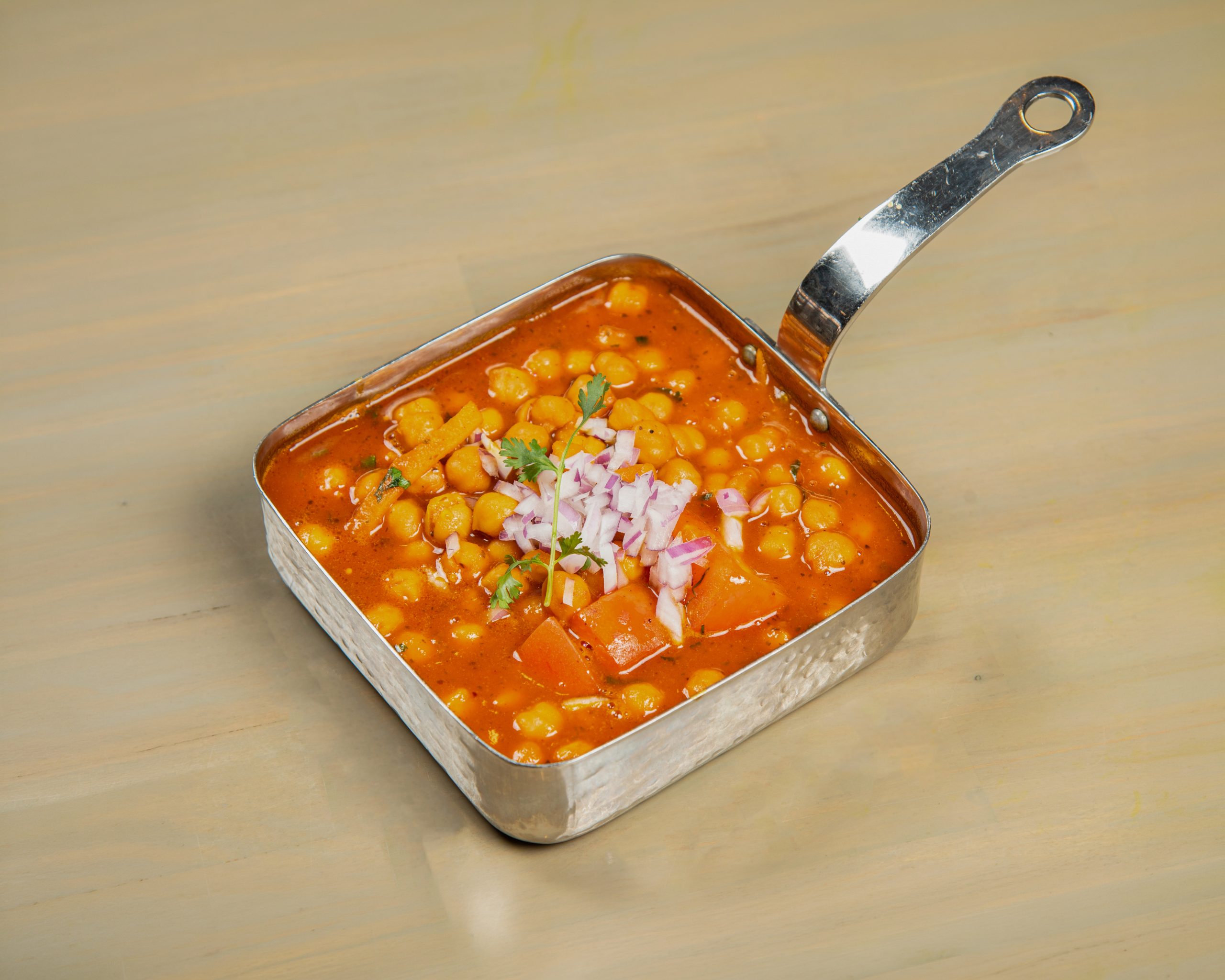
Chana Masala stands as the most reliable dairy-free curry option at Indian restaurants. The traditional recipe contains chickpeas, tomatoes, onions, ginger, garlic, and a spice blend of cumin, coriander, turmeric, and garam masala – no dairy ingredients in the base preparation. A standard serving provides approximately 12-15g of protein from the chickpeas alone. When ordering, specify "prepared with vegetable oil, not ghee" to ensure the tadka uses oil instead of clarified butter. Spice level: 3/5. Origin: Punjab, North India.
Aloo Gobi (potato-cauliflower curry) contains potatoes, cauliflower, turmeric, cumin, and tomatoes with no dairy in traditional recipes. The dish gets its golden color from turmeric, not cream. However, some restaurants add butter during finishing – always verify preparation method. Protein content: 4-6g per serving. Spice level: 2/5. Origin: Punjab, North India.
Dal Tadka and other lentil curries (dal fry, sambar) are lentil-based and naturally dairy-free, though restaurants commonly use ghee for the final tempering. A simple dal recipe requires under 10 ingredients and cooks in 20-30 minutes. Request oil-based preparation explicitly. Protein content: 10-12g per serving. Spice level: 2/5. Origin: Pan-Indian.
Sambar represents one of the safest dairy-free options available. This South Indian staple combines toor dal (pigeon peas), tamarind, sambar powder, and mixed vegetables with no dairy ingredients in authentic preparation. The tamarind provides sourness that North Indian dishes achieve with yogurt. Protein content: 8-10g per serving. Spice level: 3/5. Origin: Tamil Nadu, South India.
Baingan Bharta (smoked eggplant curry) traditionally contains roasted eggplant, tomatoes, onions, and spices without dairy. However, restaurant versions frequently add cream or yogurt for richness – this is a high-risk item requiring explicit verification. When prepared authentically with oil, it's completely vegan. Protein content: 3-4g per serving. Spice level: 3/5. Origin: Punjab, North India.
Coconut-based curries like avial, olan, and Kerala-style vegetable stew provide creamy texture without dairy products. South Indian curries using coconut milk offer natural richness that mimics cream-based North Indian preparations. These dishes contain 15-20g of fat per serving from coconut milk, compared to 8-12g in cream-based equivalents. Spice level: 2/5. Origin: Kerala, South India.
Vegetable Jalfrezi features stir-fried vegetables in a tomato-based sauce with bell peppers, onions, and spices. The dish is naturally vegan when prepared without butter or cream. Verify that the restaurant doesn't add cream to the tomato base. Protein content: 4-6g per serving. Spice level: 4/5. Origin: Bengal, East India.
Rice and Bread Dishes (5 Options)
Jeera Rice (cumin rice) consists of basmati rice tempered with cumin seeds in fat – either ghee or oil. The dish is otherwise vegan if oil-based preparation is used. This represents a safer choice than biryani, which typically includes yogurt-marinated ingredients. Request: "Can you prepare the jeera rice with vegetable oil instead of ghee?" Spice level: 1/5. Origin: North India.
Plain Basmati Rice contains no dairy ingredients and serves as the safest accompaniment option. While this seems obvious, it's worth noting that some restaurants add butter to rice after cooking – verify preparation if you have severe allergies.
Roti and Chapati are unleavened flatbreads made from whole wheat flour and water, containing no dairy in traditional preparation. These differ significantly from naan, which includes yogurt and milk in the dough. Roti and chapati are rolled thin and cooked on a griddle (tawa) without added fat. Hidden dairy alert: Some restaurants brush finished roti with butter – request "no butter" explicitly.
Dosa and Idli (South Indian rice-lentil crepes and cakes) are naturally vegan, made from fermented rice and urad dal (black gram lentils) batter. The fermentation process creates a tangy flavor without any dairy products. Dosa may be cooked with ghee or oil on the griddle – specify oil for dairy-free preparation. These come served with coconut chutney and sambar, both typically vegan. Spice level: 1/5. Origin: South India.
Vegetable Biryani presents complications. Traditional biryani preparation involves ghee-tempered rice and often includes yogurt-marinated vegetables. Even vegetable versions may use ghee and yogurt for marinade. This is a high-risk item requiring detailed verification about both the rice preparation and vegetable marinade. Spice level: 3/5. Origin: Hyderabad, South India.
Appetizers and Sides (3 Options)
Samosas typically contain a flour-based dough with potato-pea filling, both dairy-free in composition. However, the frying medium varies by restaurant – some use ghee for frying. Ask: "What oil do you use for frying samosas?" to verify dairy-free preparation. Each samosa provides approximately 4-5g of protein. Spice level: 2/5. Origin: North India.
Pakoras (vegetable fritters) use chickpea flour batter with spices and water – no dairy ingredients. Like samosas, the frying medium determines whether they're truly dairy-free. Ghee use for frying is common in traditional preparations. Verify the frying oil before ordering. Protein content: 3-4g per serving. Spice level: 2/5. Origin: Pan-Indian.
Papadum (lentil crackers) consists of black gram (urad dal) or lentil flour, cumin, salt, and pepper with no dairy ingredients in traditional preparation. These thin, crispy crackers are typically roasted or fried. Verify the frying medium if fried rather than roasted. Spice level: 1/5. Origin: South India.
Key Takeaway: Chana masala, sambar, and dosa represent the three safest dairy-free options with traditional preparations requiring no modifications – just verify oil instead of ghee for cooking.
Where to Find Dairy-Free Indian Food in Hartsdale
Hartsdale and the surrounding Westchester County area offer several Indian restaurants with vegan-friendly options, though menu verification requires direct communication with kitchen staff. Masala Kraft at 206 E Hartsdale Ave operates Monday and Wednesday-Sunday from 11:00am-9:00pm (closed Tuesdays) and has been noted by diners for marking vegan items on their menu. According to HappyCow reviews, the restaurant offers clearly marked vegan options, though specific dish verification and pricing information requires direct contact at the time of ordering.
NH 44 Indian brings authentic regional specialties from across India's longest highway – spanning 2,555 miles from north to south. The menu, developed by chefs Jeevan Pullan and Roshan Balan, showcases modern interpretations of culturally important classics and popular roadside food flavors. The restaurant features traditional Indian spices intrinsic to each specialty, with dishes ranging from succulent kebabs to rich curries and street vendor favorites. When ordering dairy-free options here, you'll want to discuss preparation methods with the staff, as the menu includes both traditional dairy-based North Indian dishes and naturally vegan South Indian preparations. The restaurant also offers premium beers and wines to complement the cuisine.
Maska Indian Street Food at 15 E Hartsdale Ave opened in December 2024 and is brought to you by the experienced restaurateurs behind NH 44 Indian, Jaipore Express, and other local establishments. Contact them at 914-437-5022 to discuss dairy-free menu options and preparation methods. The street food focus suggests smaller plates and potentially more flexibility in customization.
Based on comparable Westchester County Indian restaurants, vegan entrees typically range from $11.95 to $16.95 per dish. Vegetable curries average around $13.50 in the White Plains area, which sits approximately 3 miles from Hartsdale. However, pricing varies by restaurant and dish complexity – contact establishments directly for current menu prices.
Kitchen practices matter significantly for those with dairy allergies versus dietary preferences. Shared cookware, utensils, and fryer oil can lead to cross-contact between dairy and dairy-free dishes. If you have a severe dairy allergy rather than a dietary preference, inquire specifically about kitchen separation practices and dedicated cooking surfaces. Most restaurants use the same griddles for naan (contains dairy) and roti (dairy-free), which may cause cross-contamination concerns for allergy sufferers.
Key Takeaway: Hartsdale has 3+ Indian restaurants with vegan options, but none provide comprehensive online allergen menus – call ahead to verify specific dairy-free dishes and request oil-based preparation methods.
How to Order Vegan Indian Food Without Mistakes
Effective dairy-free ordering requires specific terminology that distinguishes between "vegetarian" (which includes dairy in Indian culinary tradition) and "vegan" (no animal products). In Indian culture, dairy products like milk, ghee, paneer, and yogurt are considered sattvic foods and are standard in vegetarian cooking. Simply saying "vegetarian" won't communicate your dairy restrictions – you must be explicit.
Use this exact phrase when ordering: "I need vegan preparation – no dairy, no ghee, no cream, no yogurt, no paneer." This comprehensive list prevents misunderstandings. Follow up with: "Can you prepare this dish with vegetable oil instead of ghee?" for any curry or rice dish. The specificity matters because kitchen staff may not be familiar with the term "vegan" but will understand ingredient-specific requests.
Five essential questions to ask servers:
- "What oil do you use for frying pakoras/samosas?" (Verify not ghee)
- "Does the dal tadka use ghee or vegetable oil for tempering?" (Request oil)
- "Is there cream or yogurt in the tomato-based curry?" (Many add cream for texture)
- "Does the naan contain milk and yogurt?" (Yes, always – order roti instead)
- "Do you brush the roti with butter after cooking?" (Request no butter)
Oil substitution requests prevent the most common dairy contamination. Ghee (clarified butter) serves as the default cooking fat in most Indian restaurants for its high smoke point and traditional flavor. However, refined vegetable oils, sunflower oil, or coconut oil provide similar cooking properties. When requesting substitutions, phrase it as: "Please use vegetable oil instead of ghee for the tadka" or "Can you cook the dosa with oil on the griddle instead of ghee?"
Cross-contamination prevention requires additional communication for those with allergies. Shared cooking surfaces mean that the same griddle used for buttered naan may cook your roti. The same wok that prepared a cream-based korma may be used for your chana masala. If you have a dairy allergy (not just dietary preference), state: "I have a dairy allergy – can you use clean cookware and utensils?" Most restaurants will accommodate this request during non-peak hours when kitchen staff has more flexibility.
Timing matters for customization. Ordering during slower periods (weekday lunches, early dinners before 6pm) increases the likelihood that kitchen staff can accommodate special preparation requests. During peak dinner hours, especially weekends, kitchens operate at high volume with pre-prepared bases and sauces that may already contain dairy.
Written notes help with language barriers. If you're ordering takeout or delivery, include preparation instructions in the special requests field: "VEGAN – No ghee, no cream, no yogurt, no paneer. Please use vegetable oil for cooking." This creates a written record that kitchen staff can reference.
Key Takeaway: Say "I need vegan preparation – no dairy, no ghee, no cream, no yogurt, no paneer" and request "vegetable oil instead of ghee" for every curry and rice dish to avoid the 60-70% of dishes that contain hidden dairy.
Hidden Dairy Ingredients to Watch For
Twelve menu terms that indicate dairy content:
- Korma – Yogurt-cream sauce base
- Malai – Cream (literal translation)
- Makhani – Butter-based (as in butter chicken)
- Shahi – Rich, cream-laden (royal-style)
- Paneer – Indian cheese
- Tikka Masala – Usually contains cream
- Pasanda – Cream and yogurt sauce
- Navratan – Often includes cream
- Kofta – Dumplings may contain paneer; gravy often has cream
- Butter [anything] – Obviously contains butter
- Creamy [anything] – Contains cream or coconut cream (verify which)
- Mughlai – Rich, cream-based Mughal cuisine style
These terms signal dairy content that's integral to the dish preparation – requesting modifications won't work because dairy forms the sauce base. Order different dishes instead.
Bread items with hidden dairy extend beyond the obvious naan. Naan dough traditionally includes yogurt for leavening and milk for moisture, making it inherently non-vegan. Kulcha (stuffed naan) contains the same dairy ingredients. Paratha may be layered with ghee between the dough folds. Even plain naan is often brushed with butter after cooking for shine and flavor. Safe bread alternatives: Roti, chapati, and phulka are unleavened flatbreads made from whole wheat flour and water with no dairy – just verify no butter brushing after cooking.
Desserts that appear vegan but aren't include nearly all traditional Indian sweets. Gulab jamun consists of milk solids (khoya) fried and soaked in syrup. Kheer is rice pudding made with milk. Barfi is milk fudge. Kulfi is milk-based ice cream. Ras malai contains cheese patties in cream sauce. Gajar halwa (carrot pudding) uses milk and ghee. The only commonly vegan Indian dessert is fruit-based options – and even then, verify preparation methods.
Yogurt-based items disguised as vegan present particular challenges. Raita (yogurt-cucumber condiment) obviously contains yogurt, but less obvious are tandoori dishes. Tandoori marinade traditionally includes yogurt for tenderizing and flavor – even vegetable tandoori versions often use yogurt-based marinade unless specifically prepared vegan. Biryani may include yogurt-marinated vegetables. Kadhi is a yogurt-based curry that's never vegan. Dahi vada are lentil dumplings in yogurt sauce.
Tomato-based curries aren't automatically dairy-free. Many restaurants add cream to tomato gravies for richness and to reduce acidity. A curry that appears red from tomatoes may contain 2-4 tablespoons of cream per serving. This applies to dishes like paneer tikka masala (obviously has paneer), but also to seemingly vegan options like mixed vegetable curry in tomato gravy. Always ask: "Does the tomato curry contain cream?"
Rice preparations hide dairy in unexpected ways. Plain basmati rice should be safe, but some restaurants add butter after cooking. Jeera rice (cumin rice) uses ghee for tempering the cumin seeds. Biryani almost always involves ghee in the rice layers and may include yogurt in the marinade. Pulao may be cooked in ghee. The safest approach: order plain steamed rice and verify no butter addition.
Key Takeaway: Menu terms like korma, malai, makhani, and shahi indicate cream-based dishes that can't be modified – order chana masala, sambar, or coconut-based curries instead, and verify that tomato-based gravies don't contain added cream.
Recommended Dairy-Free Dining in Hartsdale
When you're ready to experience authentic dairy-free Indian cuisine in Hartsdale, NH 44 Indian offers a comprehensive menu spanning India's culinary regions from north to south. The restaurant's approach to traditional Indian roadside food and culturally important classics means you'll find both naturally vegan South Indian options and North Indian dishes that can be prepared dairy-free upon request.
Why NH 44 Indian works for dairy-free diners:
- Regional variety: The menu represents dishes from across National Highway 44's 2,555-mile span, including South Indian preparations that traditionally avoid dairy
- Experienced team: Chefs Jeevan Pullan and Roshan Balan bring expertise in authentic spice blends and traditional cooking methods
- Transparent preparation: The restaurant emphasizes traditional Indian spices intrinsic to each specialty, making it easier to discuss ingredient modifications
- Beverage pairing: Premium beer and wine selections complement spice-forward vegan dishes
- Local establishment: As part of the same restaurant group behind Maska, Jaipore Express, and other Westchester favorites, they understand the local dining community's dietary needs
The key to successful dairy-free dining at any Indian restaurant – including NH 44 Indian – is communicating your requirements clearly. Use the ordering phrases from the previous section, ask about preparation methods, and don't hesitate to request oil-based cooking instead of ghee. The kitchen staff can accommodate these requests when given clear instructions.
For the safest experience, focus on South Indian menu items (if available), lentil-based curries, and dishes featuring coconut milk. Avoid anything with korma, malai, or makhani in the name, and verify that tomato-based gravies don't contain cream. When in doubt, the staff at NH 44 Indian can guide you toward dishes that align with your dietary requirements.
FAQ: Vegan Indian Food in Hartsdale
Which Indian curries are naturally dairy-free?
Direct Answer: Chana masala, sambar, dal tadka (when prepared with oil), aloo gobi, and coconut-based South Indian curries are naturally dairy-free in traditional preparations.
These curries rely on tomato bases, coconut milk, or tamarind for richness instead of cream or yogurt. However, restaurant versions may add dairy unnecessarily – always specify "no ghee, no cream, no yogurt" when ordering. South Indian curries using coconut milk provide the safest options because dairy isn't part of the regional cooking tradition.
Does naan bread contain dairy in Hartsdale restaurants?
Direct Answer: Yes, naan always contains dairy – the dough includes yogurt and milk, and it's often brushed with butter after cooking.
Order roti, chapati, or phulka instead, which are unleavened flatbreads made from whole wheat flour and water. These contain no dairy in traditional preparation, though you should verify that the restaurant doesn't brush them with butter after cooking. Roti provides the same function as naan for scooping curries without the dairy content.
How do I verify Indian food is vegan when ordering?
Direct Answer: Say "I need vegan preparation – no dairy, no ghee, no cream, no yogurt, no paneer" and ask specifically about the cooking oil used for tempering and frying.
Don't rely on "vegetarian" labels, as vegetarian in Indian cuisine includes dairy products. Ask these verification questions: "What oil do you use for frying?" "Does the dal use ghee or vegetable oil for tempering?" "Is there cream in the tomato curry?" Restaurant staff may not understand "vegan" terminology, so listing specific ingredients to avoid works better than using dietary labels.
What's the difference between vegan and vegetarian Indian food?
Direct Answer: Vegetarian Indian food includes dairy products (ghee, paneer, yogurt, cream, milk), while vegan excludes all animal products including dairy.
In Indian culinary tradition, dairy is considered vegetarian and appears in most vegetarian dishes. Ghee serves as the primary cooking fat, paneer is a protein staple, and yogurt/cream enrich gravies. When you say "vegetarian" at an Indian restaurant, expect dairy ingredients. You must specify "vegan" or list dairy items to avoid: "no ghee, no cream, no yogurt, no paneer."
Are samosas vegan at Hartsdale Indian restaurants?
Direct Answer: Samosa filling (potato-pea) and dough are typically dairy-free, but the frying medium may be ghee instead of vegetable oil – verify before ordering.
The samosa itself contains no dairy ingredients in traditional preparation. However, many restaurants fry samosas in ghee for authentic flavor. Ask: "What oil do you use for frying samosas?" If they use ghee, request vegetable oil frying or choose a different appetizer like papadum (verify roasted, not fried in ghee).
How much do vegan Indian entrees cost in Hartsdale?
Direct Answer: Vegan Indian entrees in Hartsdale and Westchester County typically range from $11.95 to $16.95, with vegetable curries averaging around $13.50.
Pricing varies by restaurant and dish complexity. Lentil-based dishes (dal) tend toward the lower end ($11.95-$13.95), while specialty curries and South Indian preparations may cost $14.95-$16.95. Appetizers like samosas cost $4-$7, and bread items (roti, chapati) run $2-$4 each. Contact specific restaurants for current menu prices, as these estimates reflect comparable Westchester County establishments.
Can I request oil instead of ghee at Indian restaurants?
Direct Answer: Yes, most Indian restaurants will substitute vegetable oil for ghee when you request it explicitly during ordering.
Phrase your request clearly: "Can you prepare the dal tadka with vegetable oil instead of ghee?" or "Please use vegetable oil for cooking, not ghee." Restaurants accommodate this request because refined vegetable oils have similar cooking properties to ghee. The substitution works best for tempering (tadka) and sautéing – dishes where ghee is integral to the sauce base (like makhani) can't be modified successfully.
What South Indian dishes are safest for dairy-free diners?
Direct Answer: Dosa, idli, sambar, coconut-based curries (avial, olan), and tamarind rice are traditionally dairy-free South Indian dishes.
South Indian cuisine relies on coconut milk, tamarind, and oil-based cooking instead of ghee and cream. Dosa (rice-lentil crepe) and idli (steamed rice cakes) contain no dairy in the batter – just verify oil instead of ghee for cooking the dosa. These come with coconut chutney and sambar, both naturally vegan. South Indian restaurants or menu sections provide the highest concentration of safe dairy-free options.
Finding dairy-free Indian food in Hartsdale becomes straightforward once you understand regional cooking differences, know which dishes are naturally vegan, and communicate your requirements clearly to restaurant staff. South Indian cuisine offers the most reliable options with coconut-based curries and fermented rice-lentil preparations that traditionally contain no dairy. When ordering North Indian dishes like chana masala or dal tadka, specify "no ghee, use vegetable oil" to avoid hidden dairy in the tempering process.
The key to successful dairy-free dining lies in asking specific questions about cooking methods rather than relying on menu labels. Restaurants like NH 44 Indian can accommodate dairy-free requests when you provide clear instructions about ingredients to avoid. Focus on dishes with tomato bases, lentils, or coconut milk, and steer clear of anything labeled korma, malai, or makhani. With these strategies, you'll navigate Indian restaurant menus confidently and enjoy authentic flavors without dairy.
Ready to Get Started?
For personalized guidance, visit NH 44 Indian to learn how we can help.