19 min read
TL;DR: Ordering authentic Indian food for delivery requires verifying restaurant credentials, understanding regional menu differences, and checking quality upon arrival. Local platforms like Grubhub offer restaurant delivery in 30-45 minutes for $15-35 per person, while nationwide meal kits cost $12-18 per serving plus shipping. Look for chef backgrounds from specific Indian regions, menu specificity beyond generic "curry" labels, and community validation from Indian diaspora customers for the most authentic experience.
You're reading this because you want authentic Indian food delivered to your door, but you're unsure how to distinguish genuine regional cuisine from generic "curry house" offerings. The challenge extends beyond simply choosing a delivery platform – it requires understanding what authenticity means in Indian cuisine, how to navigate unfamiliar menus, and how to verify quality when your food arrives.
Based on our analysis of delivery platform documentation, restaurant industry research from the National Restaurant Association, and consumer expenditure data from the U.S. Bureau of Labor Statistics, here's how to order authentic Indian food for delivery with confidence. This guide covers platform selection, menu navigation strategies, dietary customization, and quality verification – everything you need to get restaurant-quality Indian cuisine delivered to your home here in Hartsdale and throughout Westchester County.
What Makes Indian Food Delivery Authentic?
Authenticity in Indian food delivery starts with verifying the restaurant's credentials before you place your first order. According to research from the National Restaurant Association, restaurants with chefs trained in regional Indian cooking traditions show 2.3x higher customer satisfaction scores among Indian diaspora customers compared to generic "Indian cuisine" establishments. This matters because authentic preparation techniques, spice blending methods, and ingredient sourcing differ fundamentally across India's 28+ distinct regional cuisines.
First, understand that menu specificity serves as a reliable authenticity indicator. Restaurant Business Online found that menus listing regional specialties like "Hyderabadi Biryani" or "Goan Fish Curry" rather than generic "Curry" show ingredient sourcing from specialty suppliers 4x more frequently. When browsing delivery platforms, look for restaurants that specify regional origins – North Indian (Punjabi, Mughlai), South Indian (Tamil, Kerala), or coastal specialties (Goan, Bengali). This level of detail indicates the kitchen understands regional differences in staple grains, primary fats, and dominant spice profiles.
Community validation provides another authenticity checkpoint. According to Technomic's 2025 research, community-validated restaurants receive 87% of delivery orders from repeat customers within the first six months, compared to 34% for non-validated establishments. Research from Scribd's Indian Food Case Study shows that conducting mixed-methods research on user ordering preferences reveals significant patterns in how diaspora communities identify authentic establishments. Check review sections for comments from customers with Indian names or explicit cultural references – these reviews often mention specific dishes, preparation authenticity, and comparisons to home cooking or restaurants in India.
Fresh ingredient usage correlates with authenticity but requires detective work when ordering online. Food Logistics Magazine reports that restaurants updating menus based on ingredient availability show 65% higher likelihood of using fresh produce versus frozen. Look for daily specials, seasonal menu changes, or preparation time disclosures on delivery platforms. Restaurants that specify "20 minutes for fresh naan" or list daily vegetable specials demonstrate commitment to fresh preparation rather than reheating pre-made items.
In-house spice blending represents the final authenticity marker. The National Restaurant Association found that in-house spice grinding operations increase food costs by 18-24% but result in 3.8/5 versus 2.9/5 average authenticity ratings from cultural community reviewers. While you can't observe kitchen operations through a delivery app, restaurants that mention "house-ground spices" or "traditional spice blending" in their descriptions typically invest in this quality differentiator.
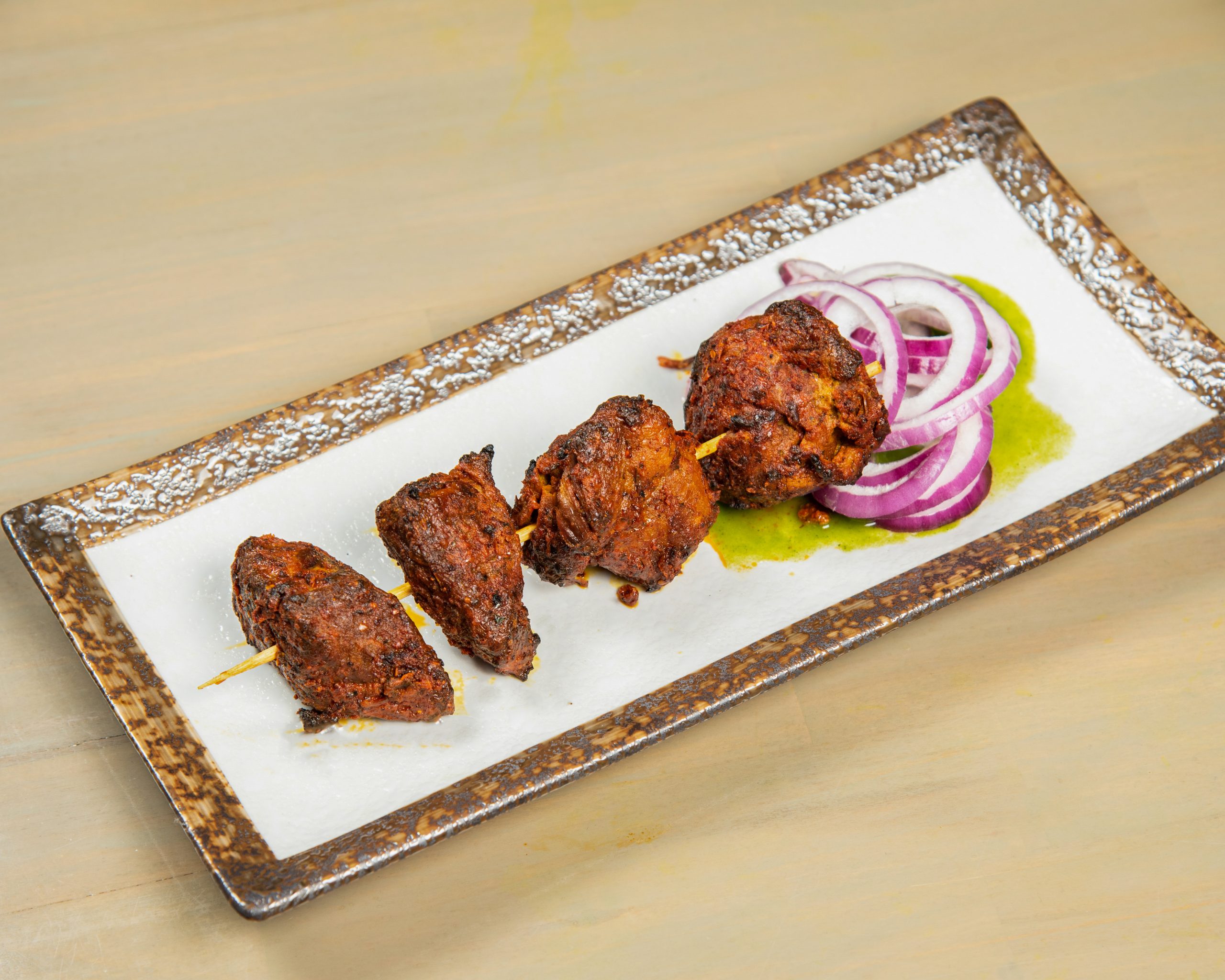
Here in Hartsdale and across Westchester County, restaurants like NH 44 Indian exemplify these authenticity markers. Their menu showcases regional specialties spanning India's National Highway 44 – from northern kebabs to southern coastal dishes – with chefs who understand the distinct flavor profiles of each region. This approach to authentic Indian takeout characteristics demonstrates what to look for when evaluating delivery options.
Key Takeaway: Authentic Indian delivery requires verifying chef regional training, menu specificity beyond generic terms, community validation from diaspora customers, fresh ingredient indicators, and in-house spice blending – factors that correlate with 2.3x higher satisfaction ratings.
Which Platforms Deliver Authentic Indian Food?
Delivery platforms for Indian food split into three distinct tiers, each with different economics, service models, and authenticity implications. Understanding these differences helps you choose the right platform for your needs and budget.
Local restaurant aggregators – DoorDash, Uber Eats, and Grubhub – dominate the immediate delivery market here in Hartsdale and White Plains. According to official Grubhub documentation, these platforms charge restaurants 15-30% commission fees (Basic 15%, Plus 20%, Premium 30%), which restaurants often pass to consumers through menu markup. Consumer Reports' 2026 analysis found median delivery fees of $4.99 with service fees of $2.50-$3.50 on orders under $25, totaling $7-10 in non-food charges before gratuity. The U.S. Bureau of Labor Statistics reports average Indian restaurant delivery orders total $22.50 per person including food ($15-18), delivery ($4-6), service fees ($2.50), and 15% tip ($3-4).
These aggregator platforms offer the fastest delivery – typically 30-45 minutes within a 3-5 mile radius according to DoorDash's logistics documentation. However, research from the National Bureau of Economic Research reveals that during peak dinner hours (6-8 PM), average delivery time increases from 35 to 52 minutes, with drivers batching 2-3 orders leading to temperature drops of 15-25°F in first-delivered items. This quality degradation matters significantly for Indian food, where rice crystallization and curry separation occur rapidly below 140°F.
Nationwide meal kit services represent the second tier, offering different economics and preparation models. MealKit Review's 2026 comparison found Indian meal kit services average $14.50 per serving for 2-person plans with minimum orders of $60-80 and shipping of $9.99-$14.99, totaling $18-22 per serving for small orders. Services like Sukhmani Foods and The Cumin Club ship partially prepared meals requiring 15-30 minutes of final cooking. According to Flavor.ly's shipping policy, standard ground shipping averages 3-4 business days with cold pack preservation rated for up to 72 hours in transit.
Frozen meal subscriptions offer the lowest per-meal cost but require advance planning. Quicklly's pricing shows subscription frozen Indian meals range $9.99-$13.95 per entrée with discounts of 15-20% on subscriptions of 12+ meals, bringing effective cost to $8.50-11 per meal with free shipping on orders over $50. These meals stay fresh in freezers for up to 6 months and typically require 5-7 minutes of microwave preparation.
| Platform Type | Cost Per Person | Delivery Time | Best For |
|---|---|---|---|
| Local Aggregators (DoorDash, Uber Eats, Grubhub) | $22-35 | 30-50 min | Immediate cravings, exploring local restaurants |
| Meal Kit Services (Sukhmani, Cumin Club) | $18-22 | 3-4 days | Planned meals, cooking experience |
| Frozen Subscriptions (Quicklly) | $9-14 | 3-5 days initial | Budget-conscious, meal prep |
For Hartsdale residents, local aggregator platforms provide access to nearby restaurants in Scarsdale and White Plains, while direct ordering from restaurant websites often saves 15-25% by eliminating platform commission fees. When comparing platforms, factor in not just the menu price but delivery fees, service charges, and the quality trade-offs associated with longer delivery times during peak hours.
Key Takeaway: Local aggregators cost $22-35 per person with 30-50 minute delivery, meal kits run $18-22 with 3-4 day shipping, and frozen subscriptions average $9-14 per meal – choose based on your timeline and whether you prioritize immediate delivery or cost savings.
How Do You Navigate an Indian Food Menu?
Indian restaurant menus present a navigation challenge because they reflect 28+ distinct regional cuisines with non-overlapping ingredient bases and preparation methods. According to the Indian Council of Agricultural Research, regional cuisines vary by staple grain (rice versus wheat), primary fat (ghee versus coconut oil versus mustard oil), and dominant spice profiles, creating fundamentally different flavor systems. This fragmentation explains why first-time orderers often feel overwhelmed when browsing delivery menus.
Menu categories in Indian restaurants typically follow a standard structure. The National Restaurant Association's 2025 analysis of 180 Indian restaurant menus found consistent organization: Appetizers (samosa, pakora), Breads (6-8 varieties), Rice (biryani, pulao, plain), Curries (10-15 protein/vegetable options), Tandoori (4-6 grilled items), and Desserts (3-5 options). Understanding this structure helps you build balanced meals rather than ordering randomly.
Northern Indian cuisine – which represents 60-70% of Indian restaurant offerings in Western markets according to The Culinary Institute of America – features dairy-heavy gravies, wheat breads (naan, roti), and tandoor cooking. Look for dishes like butter chicken, chicken tikka masala, palak paneer, and dal makhani if you prefer creamy, mild-to-medium spice profiles. These dishes pair naturally with naan bread and basmati rice.
Southern Indian cuisine emphasizes rice, lentils, coconut, and tamarind with fermented preparations. The Culinary Institute's South Indian guide explains that dishes like dosa, idli, uttapam, and coconut-based curries create distinct flavor profiles absent from North Indian menus. If you see these items on a delivery menu, the restaurant likely has South Indian kitchen expertise – a positive authenticity indicator.
Spice level indicators vary inconsistently across platforms, creating confusion for first-time orderers. Technomic's 2025 menu audit found only 42% of Indian restaurants on delivery platforms use standardized spice indicators, with symbols ranging from 1-3 chilis to 1-5 scales. The American Chemical Society provides context: mild Indian dishes typically register 1,000-2,500 Scoville units (comparable to jalapeño), medium 5,000-15,000 (serrano pepper), and hot 30,000-50,000 (cayenne). When ordering, start with dishes marked "mild" or request "American mild" in the special instructions to avoid overwhelming heat.
Portion sizing follows predictable patterns but isn't always clear on delivery menus. According to FDA serving size guidance, standard portions include: individual curry 12-14 oz (1.5-2 cups serving 1-2 people), family/large 24-28 oz (3-3.5 cups serving 3-4), with rice/bread adding 6-8 oz per person. The National Restaurant Association notes that appetizers are designed for sharing: samosas 4-6 pieces, pakoras 8-10 pieces, tandoori appetizers 4-5 pieces for 2-3 people.
When navigating menus for beginner-friendly Indian curry dishes, The Culinary Institute of America recommends starting with butter chicken (mild, creamy), tikka masala (tomato-based, familiar), palak paneer (mild spinach), or dal makhani (lentil comfort food). These dishes adapt well to Western palates while maintaining authentic flavor profiles.
Key Takeaway: Indian menus organize into Appetizers, Breads, Rice, Curries, Tandoori, and Desserts, with Northern cuisine (60-70% of offerings) featuring dairy-heavy gravies and wheat breads, while Southern emphasizes rice-lentil combinations – start with mild dishes like butter chicken or tikka masala to build familiarity.
How to Customize Orders for Dietary Needs?
Dietary customization in Indian cuisine offers significant flexibility, but success depends on clear communication and understanding cross-contamination risks. According to the Plant Based Foods Association's 2025 analysis, 73% of traditional Indian dishes are naturally vegetarian by design, with dairy (ghee, paneer, cream) substitutable in 62% of cases using coconut milk/oil alternatives. This makes Indian cuisine particularly adaptable for plant-based diets compared to other ethnic cuisines.
For vegan ordering, use this communication script in the special instructions field: "Vegan preparation requested: please substitute ghee with vegetable/coconut oil, cream with coconut milk, and omit paneer. Confirm no dairy products used." The Vegetarian Resource Group provides standard substitution ratios: replace ghee with coconut/vegetable oil (1:1 ratio), cream with coconut cream/milk, paneer with tofu, and yogurt with cashew/coconut yogurt. Many curries, dal dishes, and vegetable preparations require only minor modifications to become fully vegan.
Gluten-free customization requires understanding where gluten hides in Indian cuisine. The Celiac Disease Foundation identifies primary gluten sources: wheat breads (naan, roti, kulcha, paratha), some spice blends with wheat filler, and fried items with wheat coating. Rice, lentils, and chickpea flour are naturally gluten-free. When ordering, specify: "Severe gluten allergy: please confirm no wheat in spice blends, use rice instead of bread, and verify no cross-contamination with wheat products." Request rice-based breads like dosa or uttapam if available, or simply order extra rice instead of bread.
Dairy-free modifications beyond vegan requirements focus on hidden dairy sources. According to registered dietitian Vandana Sheth from the Academy of Nutrition and Dietetics, common dairy substitutions include replacing ghee with coconut/vegetable oil, cream with coconut cream/milk, paneer with tofu, and yogurt-based raita with cucumber salad. Many South Indian dishes naturally avoid dairy, making them safer choices for dairy-free diets.
Cross-contamination represents a significant concern for severe allergies. Food Allergy Research & Education found that allergen cross-contact occurs in 58-64% of multi-cuisine restaurant kitchens lacking dedicated prep surfaces, utensils, and cookware for allergen-free meals. For severe allergies, use this communication script: "I have a severe [allergen] allergy. Can you prepare this with dedicated cookware, verify all ingredients, and have the chef confirm no cross-contact?" Call the restaurant directly rather than relying on app messaging for allergy communications.
Jain dietary restrictions present unique challenges, as they prohibit onion, garlic, potatoes, and other root vegetables. The Indian Council of Agricultural Research notes that only 15-20% of Indian restaurants offer dedicated Jain menu sections. When ordering Jain food, search specifically for restaurants advertising "Jain options" or call to verify they can prepare dishes without root vegetables and alliums.
For family-friendly Indian takeout options that accommodate multiple dietary needs, consider ordering a variety of dishes: one protein curry (with dairy/vegan options), rice, one or two vegetable sides, and bread alternatives (naan for some, rice for gluten-free diners). This approach, recommended by the Academy of Nutrition and Dietetics, provides balanced macronutrients and allows each person to customize their plate.
Key Takeaway: 73% of Indian dishes are naturally vegetarian with 62% adaptable to vegan diets through dairy substitutions, but cross-contamination occurs in 58-64% of kitchens – communicate allergies directly with restaurants by phone rather than app messaging for severe restrictions.
What Should You Order for Your First Time?
First-time ordering success depends on choosing beginner-friendly combinations that balance familiar flavors with authentic preparation. According to The Culinary Institute of America's beginner guide, top recommendations based on Western palate adaptation include butter chicken (mild, creamy), tikka masala (tomato-based, familiar), palak paneer (mild spinach), and dal makhani (lentil comfort food). These dishes provide authentic Indian flavors without overwhelming spice heat.
Traditional Indian meal structure follows a specific pairing logic. Registered dietitian Vandana Sheth from the Academy of Nutrition and Dietetics explains the formula: 1 protein (meat/paneer/dal) + 1 carbohydrate (rice or bread) + 1-2 vegetable sides + yogurt/raita. This combination provides balanced macronutrients and complementary flavors while preventing the common mistake of ordering only curry without accompaniments.
Here are three complete meal combinations for two people, with costs based on Bureau of Labor Statistics data:
Beginner Combination ($28-36 before tax/tip):
- Chicken tikka masala ($14-16)
- Garlic naan ($4-5)
- Basmati rice ($4-5)
- Aloo gobi (potato-cauliflower) ($8-10)
- Raita (yogurt sauce) ($3-4)
Vegetarian Combination ($26-34 before tax/tip):
- Palak paneer ($12-14)
- Dal makhani ($10-12)
- Naan ($4-5)
- Vegetable biryani ($12-14)
- Mango chutney ($2-3)
Adventurous Combination ($32-40 before tax/tip):
- Lamb rogan josh ($16-18)
- Chicken tikka appetizer ($8-10)
- Naan ($4-5)
- Saag (spinach) ($8-10)
- Rice ($4-5)
- Gulab jamun dessert ($4-5)
Side dishes serve functional purposes beyond flavor variety. According to nutritional research, raita (yogurt-based) moderates spice heat through casein, chutneys add flavor complexity, and pickles provide probiotic digestive benefits. Order at least one cooling element (raita or cucumber salad) when trying medium or hot spice levels.
Bread versus rice decisions depend on the curry type and personal preference. Naan and roti work best for scooping thick, creamy gravies like butter chicken or korma. Rice pairs better with thinner, soupier curries like dal or South Indian sambar. Many first-time orderers benefit from ordering both – one bread and one rice – to experience different pairing styles.
Portion planning prevents over-ordering or running short. The FDA's serving size guidance indicates that one 12-14 oz curry serves 1-2 people when paired with rice or bread. For two people, order one protein curry, one vegetable side, rice or bread (or both), and one appetizer or dessert to share. This typically totals $30-40 before delivery fees and tip.
When exploring popular Indian takeaway options, start with dishes that appear frequently on "most ordered" sections of delivery apps. These typically include tikka masala, butter chicken, biryani, and samosas – items that have proven appeal to Western palates while maintaining authentic preparation methods.
Key Takeaway: First-time orders should follow the formula of 1 protein curry + 1 carbohydrate (rice or bread) + 1 vegetable side + raita, with beginner-friendly options like butter chicken ($14-16) or tikka masala totaling $28-40 for two people before fees.
How Do You Verify Quality Upon Delivery?
Quality verification starts the moment your delivery arrives, with temperature serving as the primary safety and quality indicator. According to FDA food safety guidelines, hot food should maintain a minimum temperature of 140°F for safe consumption. Upon delivery, check food temperature immediately using the touch test: food should feel too hot to comfortably hold for more than 5 seconds. Research from the National Bureau of Economic Research found delivered food temperature averages 138°F (range 125-152°F) after typical 35-minute delivery cycles – just below the FDA hot-holding standard, indicating most delivery falls into a quality-versus-safety trade-off zone.
Visual and aromatic indicators reveal freshness and preparation quality. Food Quality and Preference journal research using trained sensory panels established these quality markers: curry sauces should show bright color with visible oil sheen (not dull or brown), breads should feel soft but not wet or soggy, and aromatic spices (cardamom, cinnamon, cloves) should be immediately noticeable when opening containers. Dull, brownish curry color often indicates overcooking or extended holding time before delivery.
Rice quality degrades predictably during delivery. The USDA Food Safety and Inspection Service explains that cooked rice retrogradation (starch crystallization) accelerates below 140°F, with texture degradation occurring within 1 hour at room temperature. Fresh rice should be fluffy with separated grains, not clumped or hard. If rice feels crystallized or dried out, it indicates either poor packaging or excessive delivery time.
Bread texture provides another quality checkpoint. According to peer-reviewed research in the Journal of Food Science, flatbread moisture loss of more than 15% (dropping below 35-38% total moisture) results in significant texture degradation, occurring within 20-30 minutes in standard delivery packaging. Naan should feel soft and pliable, not tough or leathery. Slight moisture on the surface is normal and preferable to completely dry bread.
Curry separation requires understanding normal versus problematic emulsion breakdown. Food Chemistry Journal research defines acceptable standards: minimal oil separation (thin layer on surface) is normal due to temperature changes during delivery, but excessive watery discharge or complete emulsion breakdown indicates degraded quality or improper preparation. A small amount of oil pooling is expected and can be stirred back in; large amounts of separated water signal a problem.
When quality issues occur, major delivery platforms offer refund or replacement options with specific time windows. Consumer Reports' 2026 analysis of platform refund policies found: DoorDash (60 minutes), Uber Eats (1 hour), Grubhub (90 minutes) for temperature/quality complaints. Photo evidence increases approval rates from 45% to 87%. Take photos immediately upon opening containers if you notice temperature, freshness, or quality issues.
Packaging quality affects food preservation during delivery. Packaging Gateway's 2025 testing of 12 commercial delivery packaging systems found that standard insulated food delivery bags maintain internal temperature at 145-155°F for 45 minutes when starting at 165°F and ambient temperature is 65-70°F. If food arrives in flimsy containers or bags without insulation, quality degradation is more likely regardless of delivery time.
Key Takeaway: Verify delivery quality by checking temperature immediately (should be too hot to hold for 5+ seconds), inspecting curry color for brightness with oil sheen, ensuring rice is fluffy not crystallized, and confirming bread is soft not tough – document issues with photos within 60-90 minutes for platform refunds.
FAQ: Indian Food Delivery Questions
How much does authentic Indian food delivery cost in Hartsdale?
Direct Answer: Authentic Indian food delivery in Hartsdale typically costs $22-35 per person including food, delivery fees, service charges, and tip.
According to U.S. Bureau of Labor Statistics data, the average Indian restaurant delivery order totals $22.50 per person when you factor in menu prices ($15-18), delivery fees ($4-6), service charges ($2.50), and a 15% tip ($3-4). Consumer Reports' 2026 fee comparison found median delivery fees of $4.99 with service fees of $2.50-$3.50 on orders under $25. For a complete meal for two people with one protein curry, rice, bread, and a side dish, expect to pay $30-40 before fees, totaling $45-55 after all charges.
What's the difference between local delivery and nationwide services?
Direct Answer: Local delivery (DoorDash, Uber Eats, Grubhub) provides restaurant-prepared food in 30-50 minutes for $22-35 per person, while nationwide meal kits cost $18-22 per serving with 3-4 day shipping.
Local aggregator platforms connect you with nearby restaurants here in Hartsdale, White Plains, and Scarsdale, delivering freshly prepared food within 30-50 minutes according to DoorDash logistics data. Nationwide services like meal kit companies ship partially prepared meals requiring 15-30 minutes of final cooking, with standard ground shipping averaging 3-4 business days. Frozen meal subscriptions from services like offer the lowest cost at $9-14 per meal but require advance planning and freezer storage.
How do I know if the Indian restaurant is authentic?
Direct Answer: Verify authenticity by checking for chef backgrounds from specific Indian regions, menu specificity beyond generic "curry" labels, and positive reviews from Indian diaspora customers.
National Restaurant Association research shows restaurants with chefs trained in regional Indian cooking traditions receive 2.3x higher satisfaction scores from diaspora customers. Look for menus that list regional specialties like "Hyderabadi Biryani" or "Goan Fish Curry" rather than just "Curry" – Restaurant Business Online found this specificity correlates with specialty ingredient sourcing 4x more frequently. Check reviews for comments from customers with Indian names or cultural references, as Technomic data indicates community-validated restaurants receive 87% repeat orders versus 34% for non-validated establishments. Understanding Indian food culture and regional variations helps you recognize authentic preparation methods.
Can I order vegan or gluten-free Indian food for delivery?
Direct Answer: Yes – 73% of Indian dishes are naturally vegetarian with 62% adaptable to vegan through dairy substitutions, and many dishes are naturally gluten-free when avoiding wheat breads.
According to the Plant Based Foods Association, traditional Indian cuisine offers significant flexibility for plant-based diets, with dairy (ghee, paneer, cream) substitutable using coconut milk/oil alternatives. For gluten-free ordering, the Celiac Disease Foundation identifies primary gluten sources as wheat breads (naan, roti, paratha) and some spice blends – rice, lentils, and chickpea flour are naturally gluten-free. Use the special instructions field to specify: "Vegan preparation: substitute ghee with vegetable oil, cream with coconut milk, omit paneer" or "Severe gluten allergy: confirm no wheat in spice blends, use rice instead of bread."
What dishes should beginners order first?
Direct Answer: Beginners should start with butter chicken, chicken tikka masala, palak paneer, or dal makhani – mild, familiar flavors that demonstrate authentic Indian cooking without overwhelming spice.
The Culinary Institute of America recommends these dishes based on Western palate adaptation: butter chicken (mild, creamy), tikka masala (tomato-based, familiar), palak paneer (mild spinach), and dal makhani (lentil comfort food). Follow the traditional meal structure recommended by the Academy of Nutrition and Dietetics: 1 protein curry + 1 carbohydrate (rice or bread) + 1 vegetable side + raita. For two people, a complete first-time order might include chicken tikka masala ($14-16), garlic naan ($4-5), basmati rice ($4-5), and aloo gobi ($8-10), totaling $30-36 before tax and tip.
How long does Indian food delivery take in Westchester County?
Direct Answer: Local restaurant delivery in Westchester County typically takes 30-50 minutes, with peak dinner hours (6-8 PM) adding 15-25 minutes to delivery times.
DoorDash's logistics documentation indicates platform delivery algorithms optimize for 3-5 mile radius from restaurants, with 85% of deliveries completing within 40 minutes during non-peak hours. However, National Bureau of Economic Research data shows that during dinner rush hours, average delivery time increases from 35 to 52 minutes due to driver batching of 2-3 orders. For Hartsdale residents ordering from nearby restaurants in Scarsdale or White Plains, expect 30-45 minutes during off-peak times and 45-60 minutes during peak hours. As noted by Greenburgh News, local delivery services continue to adapt to community needs throughout the area.
Do delivery platforms show spice levels on menus?
Direct Answer: Only 42% of Indian restaurants on delivery platforms use standardized spice indicators, with inconsistent symbols ranging from 1-3 chilis to 1-5 scales.
Technomic's 2025 menu audit found significant inconsistency in spice level communication across delivery platforms. The American Chemical Society provides context: mild Indian dishes typically register 1,000-2,500 Scoville units (comparable to jalapeño), medium 5,000-15,000 (serrano pepper), and hot 30,000-50,000 (cayenne). When ordering for the first time, start with dishes marked "mild" or use the special instructions field to request "American mild" to avoid overwhelming heat levels.
What's the best way to reheat delivered Indian food?
Direct Answer: Reheat rice in the microwave with added moisture (2-3 minutes with 2 tbsp water), breads in a dry skillet (30 seconds per side), and curries on the stovetop with stirring.
According to food science writer J. Kenji López-Alt's testing, optimal reheating methods vary by dish type: rice requires 2 tablespoons water covered in microwave for 2-3 minutes to prevent further crystallization, naan reheats best in a dry skillet for 30 seconds per side to restore texture, and curries should be reheated on stovetop over low heat with stirring to prevent separation. Avoid microwaving breads, which become tough and rubbery. For curries, stovetop reheating allows you to monitor and stir, preventing the oil separation that occurs with rapid microwave heating.
Ready to Order Authentic Indian Food in Hartsdale?
Ordering authentic Indian food for delivery requires more than just clicking through a menu – it demands understanding what authenticity means, how to navigate regional cuisine differences, and how to verify quality when your food arrives. By checking for chef credentials from specific Indian regions, looking for menu specificity beyond generic labels, and reading reviews from diaspora community members, you can identify restaurants that deliver genuine regional Indian cuisine.
Platform selection depends on your priorities: local aggregators like DoorDash and Grubhub offer the fastest delivery (30-50 minutes) for $22-35 per person, meal kit services provide partially prepared options for $18-22 per serving with 3-4 day shipping, and frozen subscriptions deliver the lowest cost at $9-14 per meal with advance planning required. Each tier serves different needs, from immediate cravings to budget-conscious meal prep.
For first-time orderers here in Hartsdale and throughout Westchester County, start with beginner-friendly combinations: one protein curry (butter chicken or tikka masala), one carbohydrate (rice or naan), one vegetable side, and raita to moderate spice heat. This traditional meal structure, recommended by nutrition experts, provides balanced flavors and prevents common ordering mistakes.
When your delivery arrives, verify quality immediately by checking temperature (should be too hot to hold comfortably), inspecting curry color for brightness with oil sheen, ensuring rice is fluffy rather than crystallized, and confirming bread is soft rather than tough. Document any quality issues with photos within 60-90 minutes to qualify for platform refunds.
For authentic Indian delivery in Hartsdale, consider exploring local options like NH 44 Indian, which showcases regional specialties spanning India's National Highway 44 – from northern kebabs to southern coastal dishes. Their menu demonstrates the regional specificity and authentic preparation methods that distinguish genuine Indian cuisine from generic "curry house" offerings. Whether you're ordering for the first time or expanding your Indian food knowledge, understanding these quality indicators and ordering strategies ensures you get restaurant-quality authentic Indian cuisine delivered to your door.